

Mastering Portrait Photography through Light, Trust and Intent
Portrait photography is much more than pointing a camera at someone and pressing a shutter. A portrait is a small window into a person’s inner world. When I photograph someone, I am not just looking for a beautiful face or a dramatic pose. I try to capture something real about them, something in their eyes or expression that reveals personality. A good portrait tells a story or evokes a feeling. It should make the viewer pause for a moment and connect with the subject.
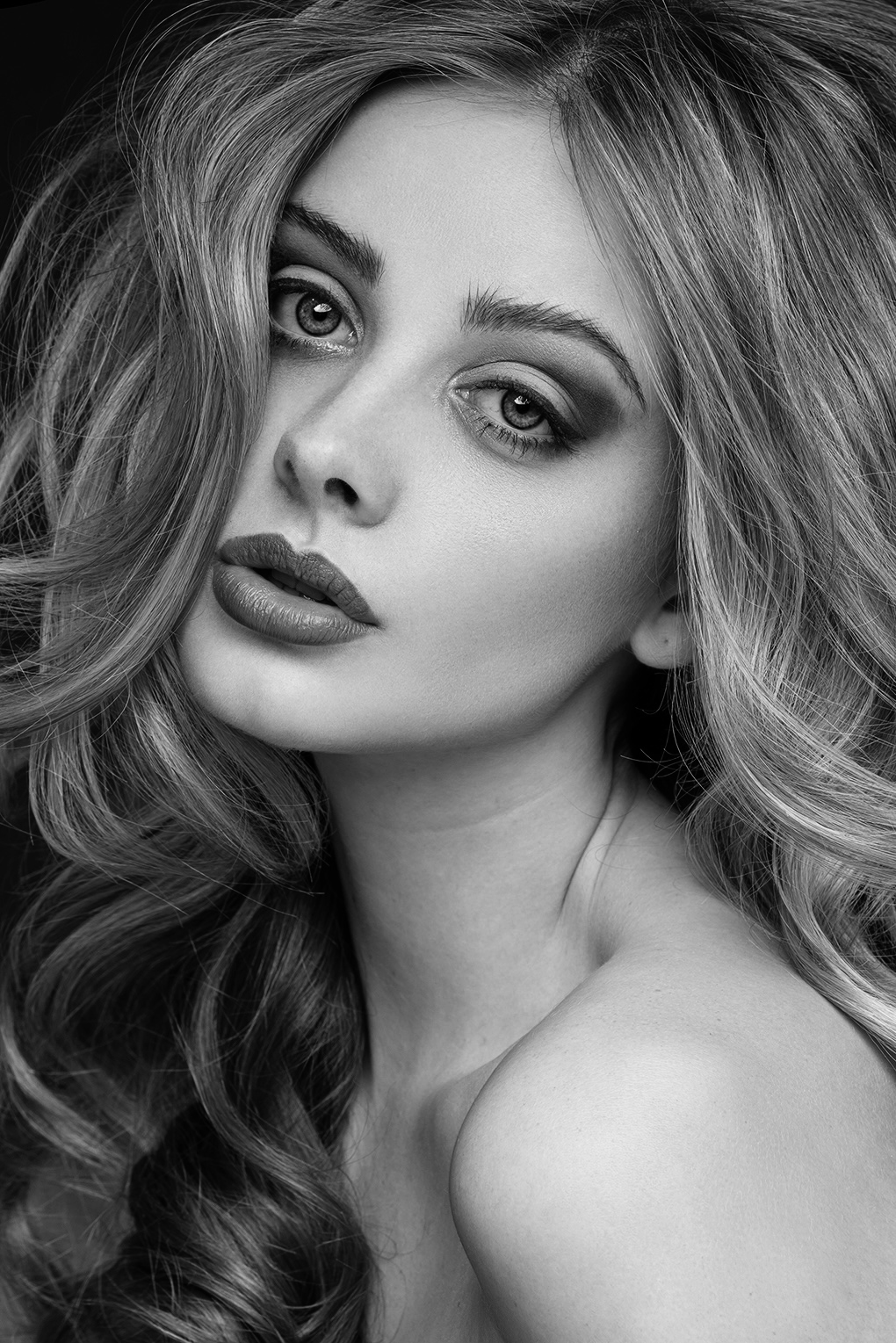
Sony A7RIV & 85mm f/1.4 GM | 1/125 sec | f/8 | ISO 50
I often prefer simple setups that allow the subject to stand out without distraction. This is why I love using black and white for certain portraits. Removing colour makes the viewer focus on expression, eyes, texture and emotion. It becomes about character rather than surface. Light and shadow become the real tools.
The Lens and Depth of Field
People often ask what lens I use for portraits. I shoot with the FE 85mm F1.4 GM II which is my favourite portrait lens because the 85mm focal length is perfect for this kind of work. It gives me a comfortable distance from the subject. They do not feel crowded, and the facial perspective looks natural and flattering.
The f/1.4 aperture gives me beautifully shallow depth of field and amazing bokeh that melts away busy backgrounds. It brings the attention exactly where I want it, often to the eyes and the transition between expression and emotion.
Light and Shadow
Whether shooting indoors or outside, light is everything. I spend more time observing shadows than I do adjusting settings and focus on technical aspects. Soft natural light on an overcast day, golden hour light with warm directionality, or a single controlled studio source can completely change the mood of a portrait.
What matters is not how bright the light is, but how it shapes the face. I look for shadow falloff that highlights cheekbones, defines jawlines and frames eyes. Sometimes the best light is beside a window, sometimes under an awning, and sometimes bounced off the ground or a wall. Good light gives depth and dimension.
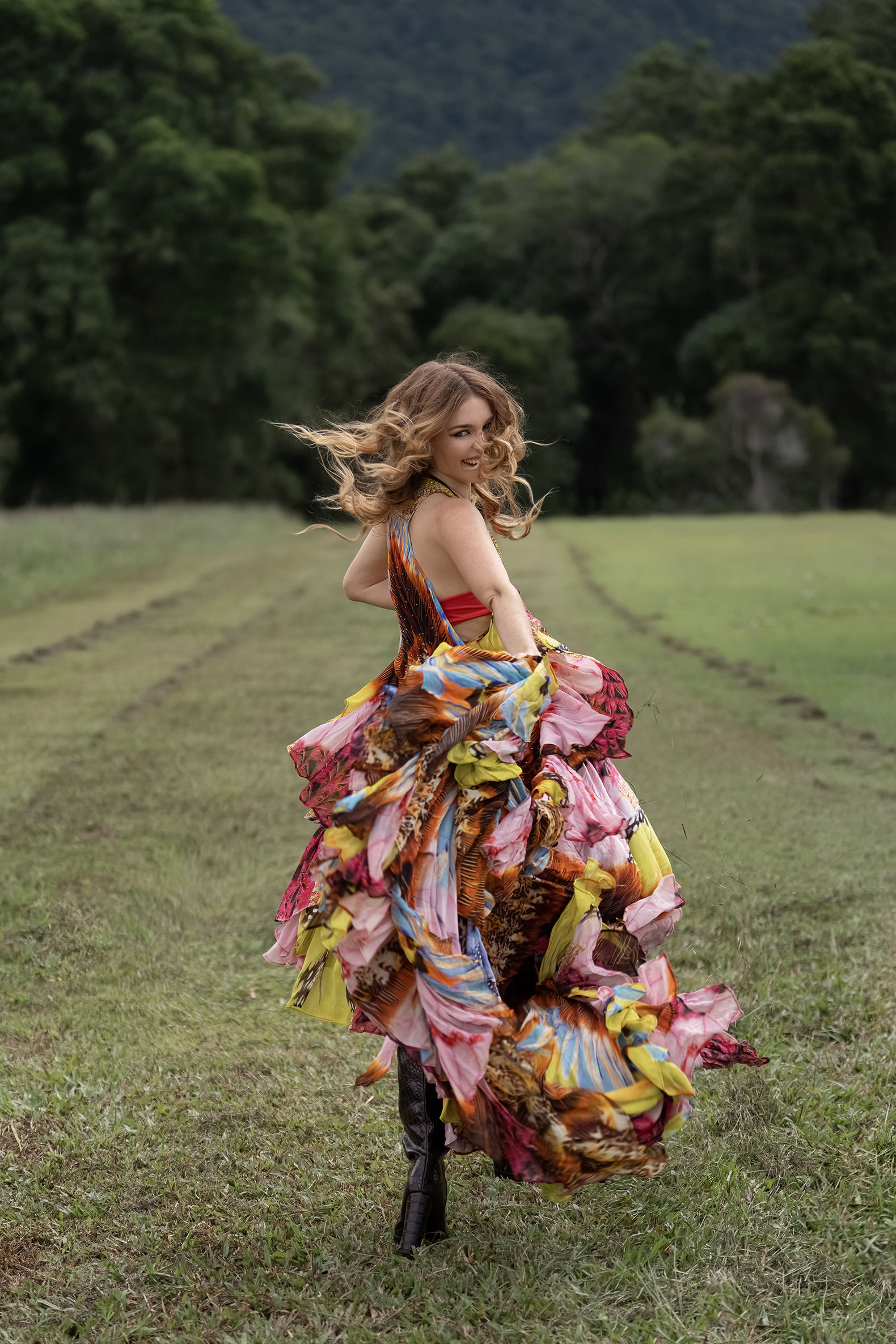
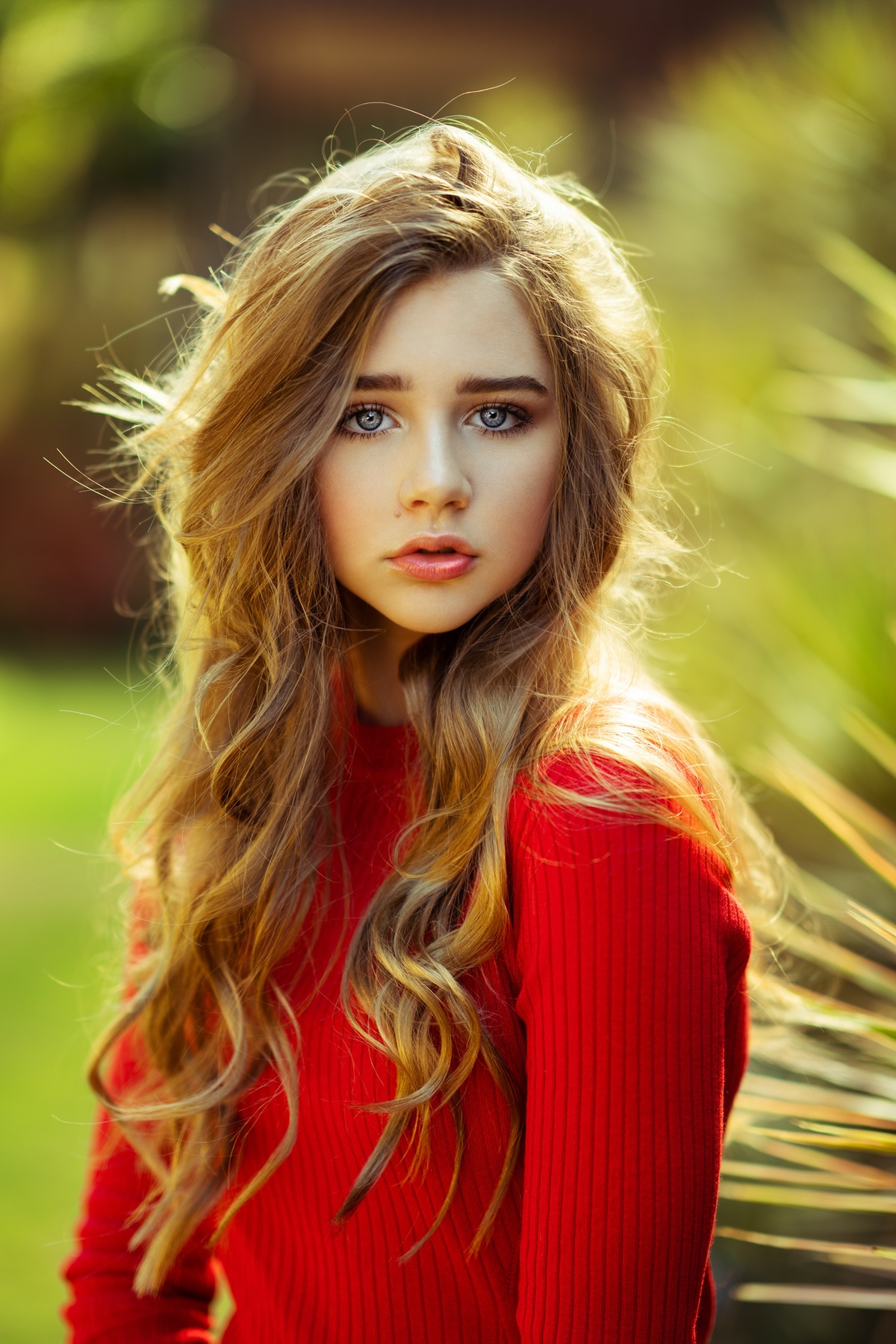
Sony A7RV & 7mm f/2.8 GM | 1/800 sec | f/2.8 | ISO 100
In the studio I like working with soft directional lighting that wraps around the face but still gives a sense of structure. When photographing someone with textured clothing like lace, satin or knit fabric, the light becomes part of the styling because it brings out the tactile detail.
Natural light portraits outdoors often bring out softer, more candid expressions. The environment helps shape mood and tone.
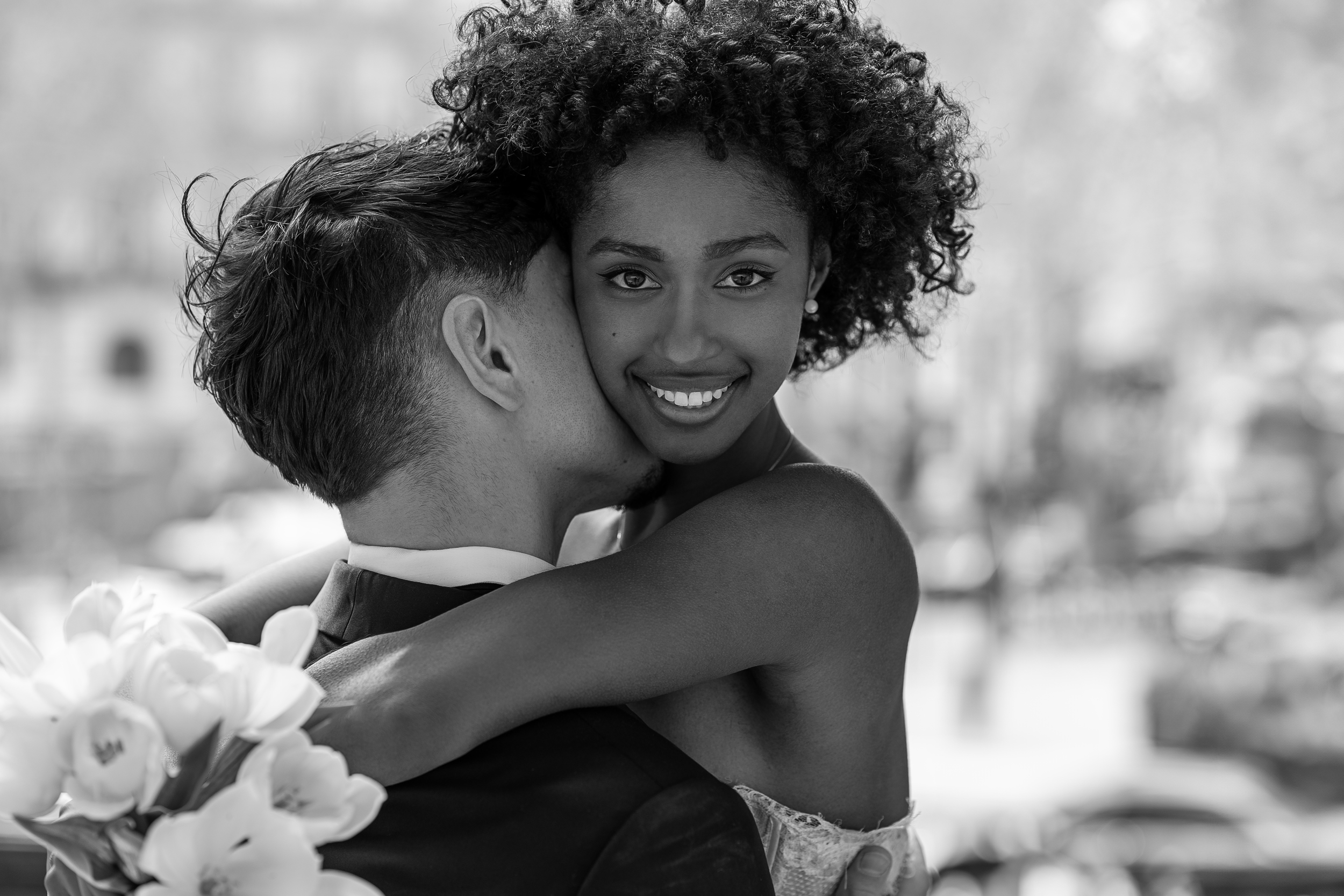
Sony A7RV & 85mm f/2.8 GM | 1/200 sec | f/2.8 | ISO 80
Building Trust and Connection
A portrait is not created by the camera. It is created by two people. The photographer and the subject. Building trust is essential. When someone feels relaxed, seen and understood, their real expression appears naturally.
I talk to the person I am photographing. I let them settle into themselves. I never force a pose or expression. I direct gently when needed, but I allow them to express who they are. The goal is to create a moment where the camera disappears and only the human connection remains.
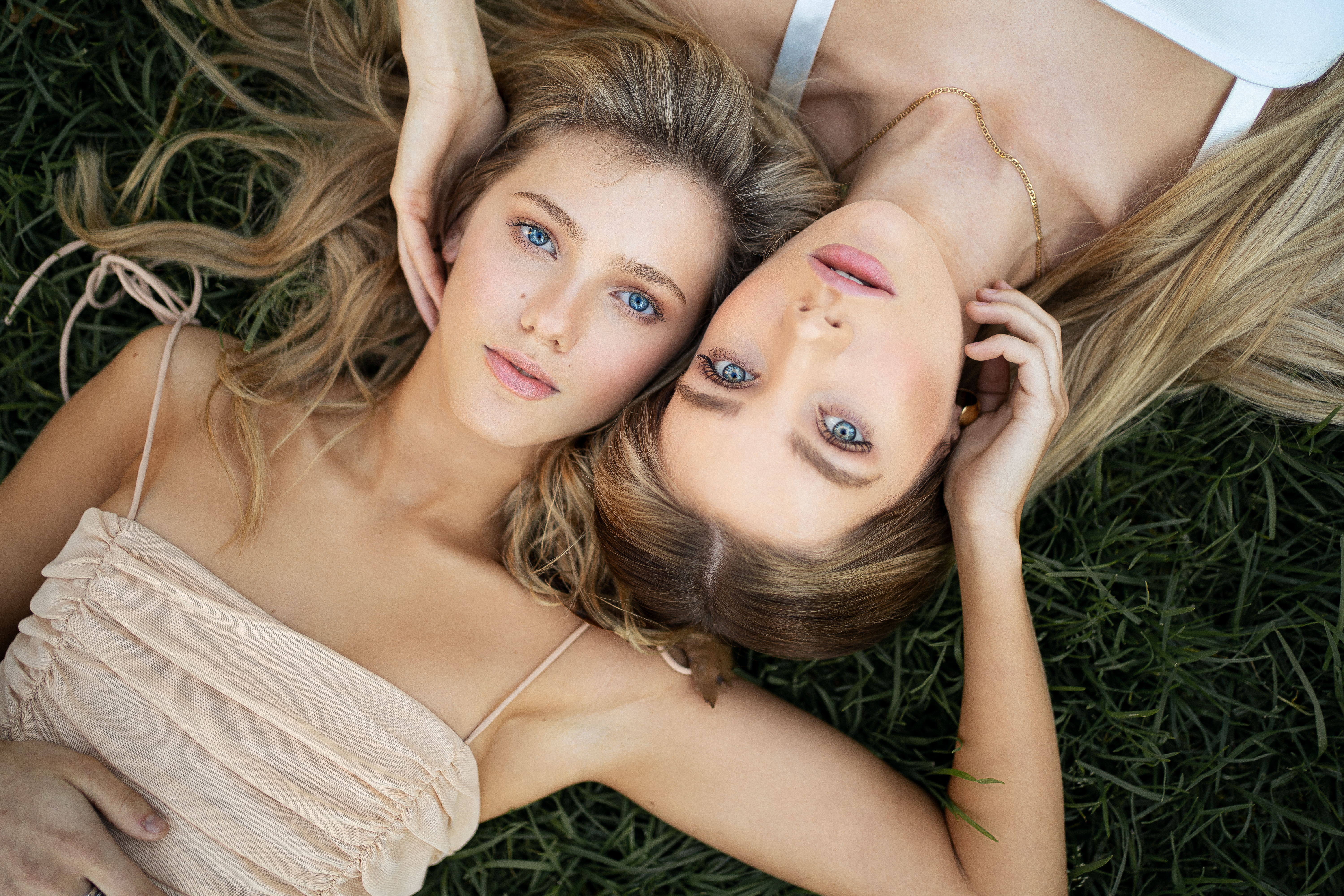
Sony A7III & 35mm f/1.8 GM | 1/400 sec | f/1.8 | ISO 400
Styling and Intent
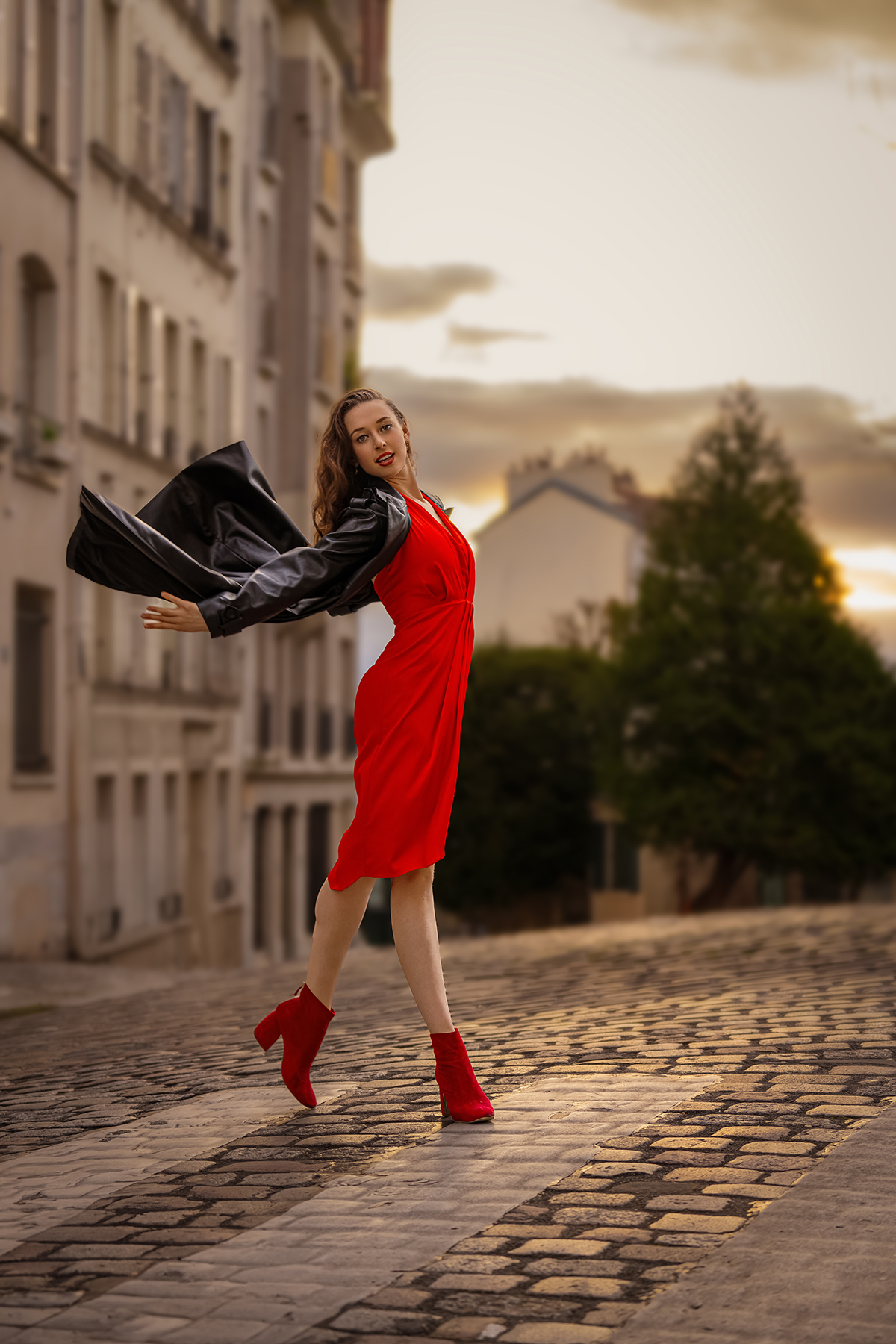
Wardrobe matters. Colour matters. Hair movement matters. The environment matters. Everything in the frame should be there with intent. When planning a portrait, I think about how clothing complements skin tone, background and mood. A strong wardrobe choice can transform a portrait into a character moment, especially when there is motion or flow.
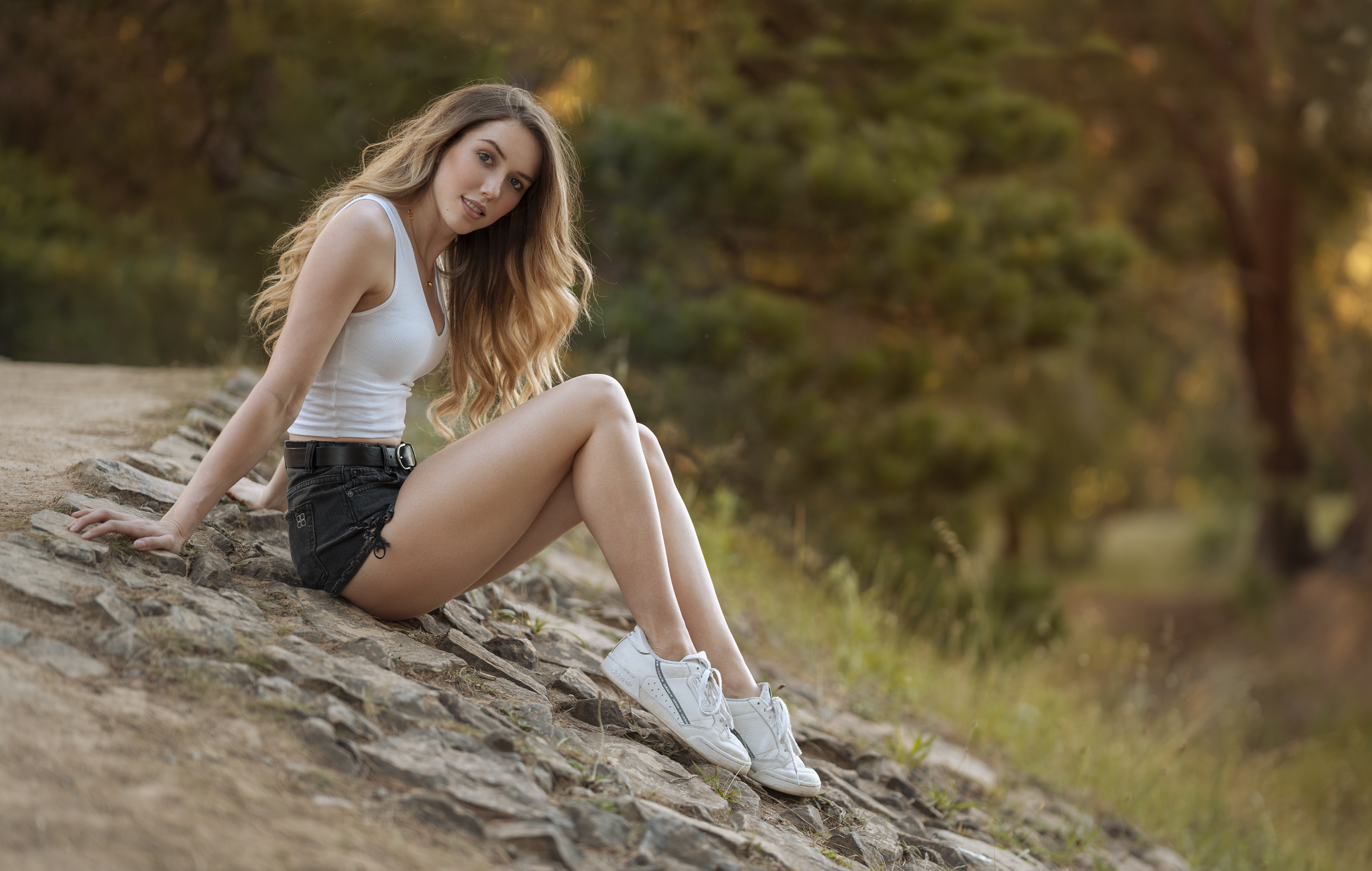
Sony A7III & 85mm f/1.4 GM | 1/250 sec | f/1.4 | ISO 50
Movement creates life in an image. A gust of wind, a turn of the body, fabric shifting in mid-moment. These are small gestures that make the portrait feel alive rather than posed.
The Purpose of a Portrait
When taking a portrait it helps to remember the intention. Who is this person? What do I want the viewer to notice first? What do I want the image to feel like? Where do I want the viewer’s eye to travel? A meaningful portrait is not simply technically good. It communicates something.
Some portraits benefit from colour and vibrance. Some are stronger in black and white. The choice should support the emotional message of the photograph.
Final Thoughts
A camera can record a face but a true portrait reveals a person. Focus on the light. Build trust and connection. Choose lenses and settings that help you isolate emotional detail. Pay attention to expression, body language and intention.
When a portrait works, you feel it. You are drawn to the subject and you experience a moment of recognition. That is the real magic of portrait photography.

Zeeshan Zafar
Zeeshan is a Melbourne-based portrait photographer and photography trainer who first began shooting car sports in 2004 before discovering a true passion for working with people. Today, they specialise in a wide range of portrait styles—including fashion, beauty, glamour, beach, and boudoir—and is known for creating striking, expressive images.
Zee has been internationally published in renowned magazines such as Vogue Australia and Dark Beauty. They love travelling, meeting new people, and sharing their skills with fellow creatives, always aiming to inspire others through both their work and their teaching.


