

The Ultimate Guide to Sea Life Photography — From My Lens to Yours
For more than 20 years I’ve dedicated my career to capturing the beauty, behaviour, and fragility of our oceans. From the Orcas of Norway to the gentle giants cruising past Byron Bay, underwater photography has given me a front-row seat to moments many people never get to witness. It’s a privilege — and a responsibility — to document these encounters ethically and creatively.
If you’re looking to elevate your underwater imagery, or you’re stepping into this world for the first time, this guide brings together the fundamentals that have shaped my own workflow and style.
1. Essential Gear for Sea Life Photography
Choosing the Right Camera for Underwater Work
My go-to has always been an Alpha 1 from the Sony Alpha mirrorless system. The autofocus is fast, the dynamic range is exceptional, and the low-light performance is critical when you’re shooting several metres down. When choosing your camera, prioritise:
-
Rapid autofocus to track unpredictable marine life
-
High ISO capability for dim or murky waters
-
Strong dynamic range to recover shadows and highlights
-
Burst mode for behaviour and action sequences
Mirrorless cameras excel underwater because of their compact design and accuracy. But remember, a great camera above the surface doesn’t automatically make a great underwater system — it must integrate seamlessly with your housing.
Selecting Waterproof Housings and Accessories
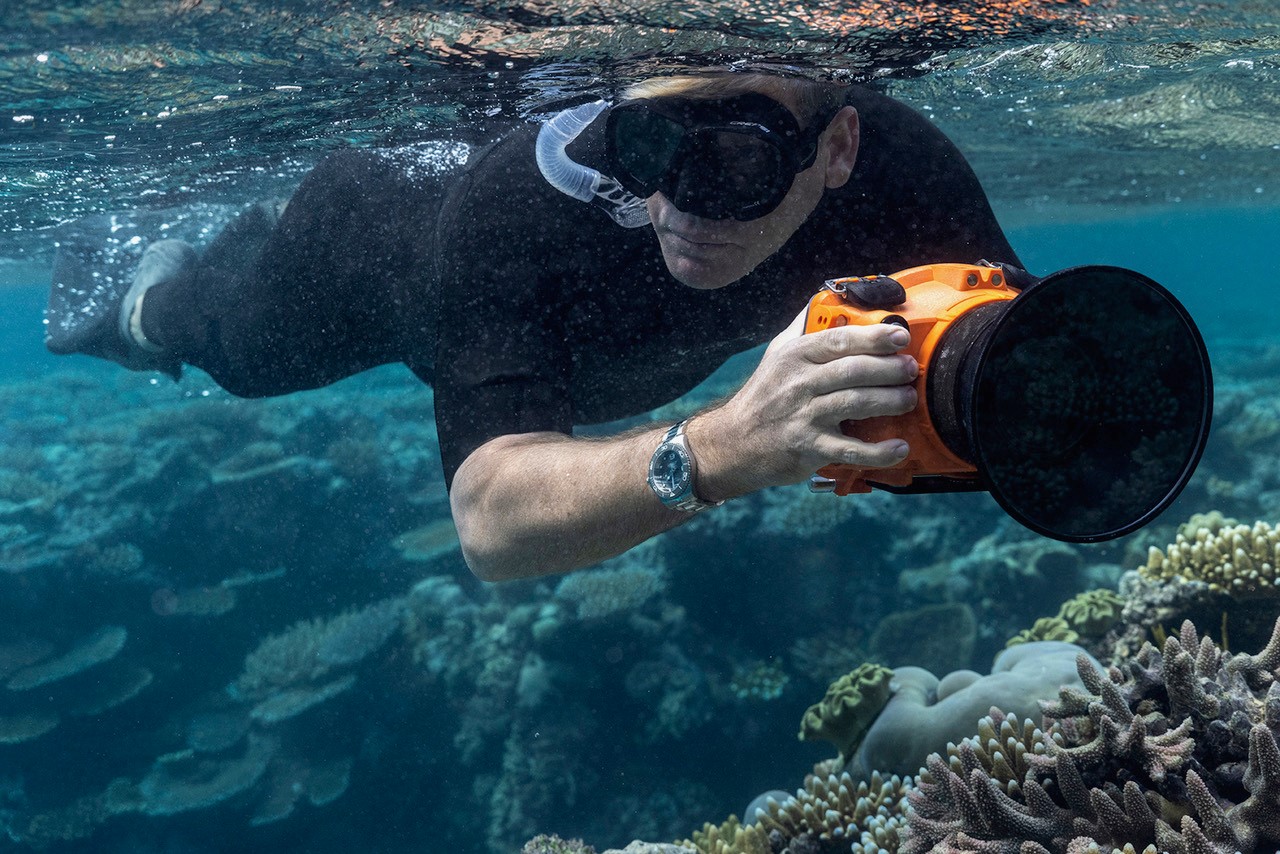
A reliable underwater housing isn’t optional — it’s everything. I’ve used brands like Nauticam and Aquatech for years because they’re durable, ergonomic, and give me access to all essential controls without compromise.
When choosing a housing, look for:
-
Depth rating suitable for your diving limits
-
Secure port locking system
-
Precision controls that mimic your camera layout
-
Sturdy dome ports for wide-angle work
Accessories like vacuum seal systems, buoyancy arms, and moisture alarms will not only protect your gear but also keep you calm and focused underwater.
The Importance of Lenses
Underwater lenses behave differently due to refraction. The two lenses I use most:
-
Wide-angle lenses for large subjects like whales, sharks, or reef scenes. They minimise distortion and bring you close, reducing the water column between you and your subject — which improves clarity. I like to use the FE 12-24mm F2.8 GM and FE 16-35mm F2.8 GM
-
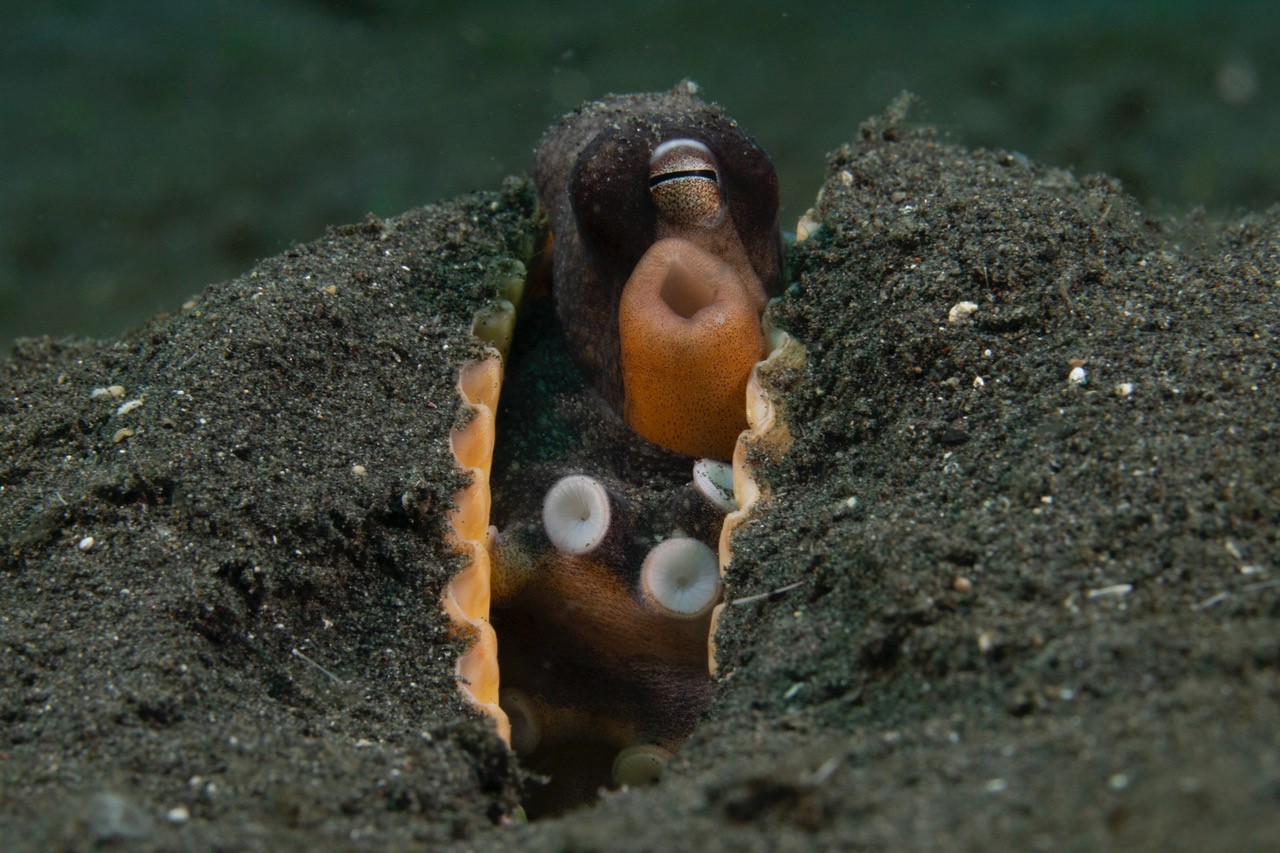
Macro lenses for tiny, intricate details like nudibranchs or cleaner shrimp. The new FE 100mm F2.8 Macro GM OSS lens from Sony is amazing.
Lenses shape your storytelling. A wide-angle allows you to place subjects within their environment, while macro highlights the beauty of the small and often overlooked.
2. Understanding Lighting in Underwater Settings
Natural vs Artificial Lighting
Light behaves very differently underwater. Reds and yellows disappear first, and the deeper you go, the bluer and darker everything becomes. Natural light can create beautiful, soft images, especially in shallow water during midday when the sun is high. But to capture accurate colour and texture, you’ll often need artificial lighting.
Using Strobes and Continuous Lights
Strobes are my preferred choice for flash photography underwater — they freeze motion and restore colour with powerful bursts of light. They’re perfect for wide-angle and macro work alike.
Continuous lights let you see where your light is falling in real time. They're excellent for video and for subtle fill light.
Tips for effective lighting:
-
Angle strobes slightly outward to avoid backscatter
-
Use two strobes for even illumination on wide subjects
-
For macro, bring the light in close for crisp detail
-
Keep experimenting — every metre of depth changes your lighting scenario
Adapting to Changing Lighting Conditions
Cloud cover, currents, and your depth all affect your exposure. I constantly check my histogram and adjust settings as I move. Think of underwater lighting as a dance — you adapt, shift, and anticipate the moment the ocean reveals its magic.
3. Perfecting Your Camera Settings
Optimal Settings for Different Environments
In clear tropical water, you can often rely on natural light and faster shutter speeds. In deeper, colder, or low-visibility conditions, artificial lighting becomes essential.
General guidelines I use:
-
Wide-angle with strobes: 1/125–1/250 sec, f/8–f/16, ISO 200–800
-
Wide-angle natural light: 1/800 - 1/1250 sec f8 - f18 ISO 320 - 2000
-
Macro: 1/160–1/250 sec, f/18–f/22, ISO 100–200
These aren’t rules, but reliable starting points.
Adjusting ISO, Shutter Speed, and Aperture
-
ISO: Keep it as low as possible for clean files, but don’t fear bumping it when conditions demand it.
-
Shutter Speed: Determines motion. Marine animals move unpredictably — I rarely drop below 1/125 sec.
-
Aperture: Controls depth of field. Wide apertures create dreamy soft backgrounds, while narrow apertures keep entire scenes sharp.
The trick is balancing these three based on subject size, movement, and light availability.
The Benefits of Shooting in RAW
Always shoot in RAW. Underwater images often look flat straight out of the camera — RAW gives you the flexibility to recover true colours, sharpen details, and correct white balance with far more accuracy. It’s like having a second chance at perfecting the shot.
4. Composing the Perfect Underwater Shot
Using the Rule of Thirds and Framing
Composition is what transforms a snapshot into a story. I regularly rely on the rule of thirds, placing subjects off-centre to create balance and visual interest.
Framing with reef lines, sun rays, or sand ripples can give your shot structure and a sense of place.
Incorporating Depth and Perspective
Water flattens scenes easily, so you need to work harder to build depth. Techniques I use:
-
Get close — and then get closer
-
Shoot upwards toward the surface for dramatic silhouettes
-
Use leading lines like coral ridges or shafts of light
The goal is to make the viewer feel they’re suspended in the water beside you.
Capturing Motion and Behaviour
The ocean never stops moving — and that’s its beauty. Whether it’s the glide of a manta or the twitch of a remora, behaviour is what makes an image memorable.
Patience is key. Spend time observing before pressing the shutter. I often float with a subject for minutes before it reveals something truly special.
5. Responsible and Ethical Sea Life Photography
My work in ocean conservation has taught me that photography must never come at the cost of the animal or environment.
Maintain a Safe Distance
Never chase, corner, or force an interaction. Let marine life dictate the moment.
Understand Behaviours
Recognise signs of stress — rapid movements, tail flicks, avoidance. If an animal shows discomfort, I back off immediately.
Minimise Environmental Impact
Avoid kicking coral with your fins, secure your equipment to prevent dragging, and stay aware of your buoyancy at all times. A great image is never worth damage to the ocean we love.
6. Top Locations for Sea Life Photography
Australia’s Best Dive Sites
I’m lucky to call Australia home — it’s one of the richest marine environments in the world. Some of my favourite sites include:
-
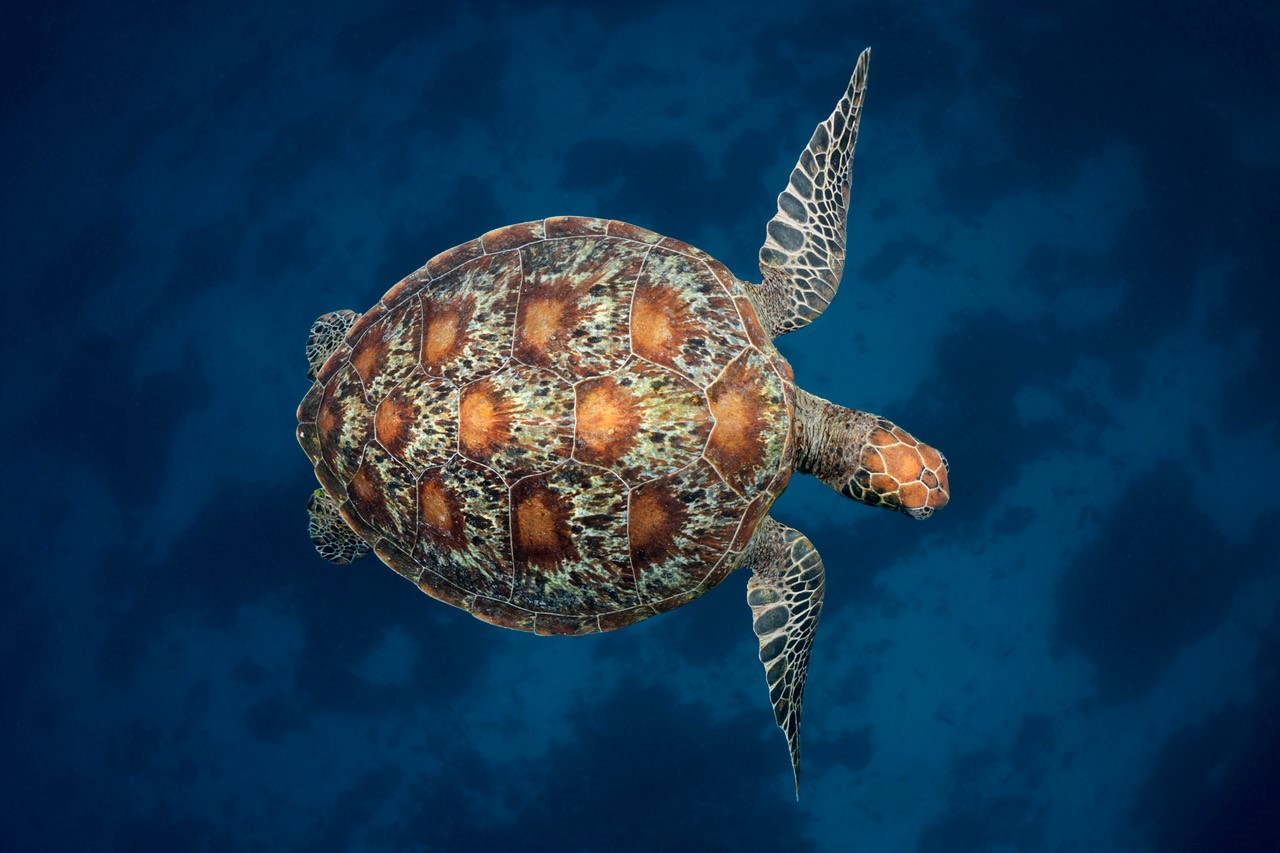
Ningaloo Reef, WA — whale sharks, manta rays, vibrant coral gardens
-
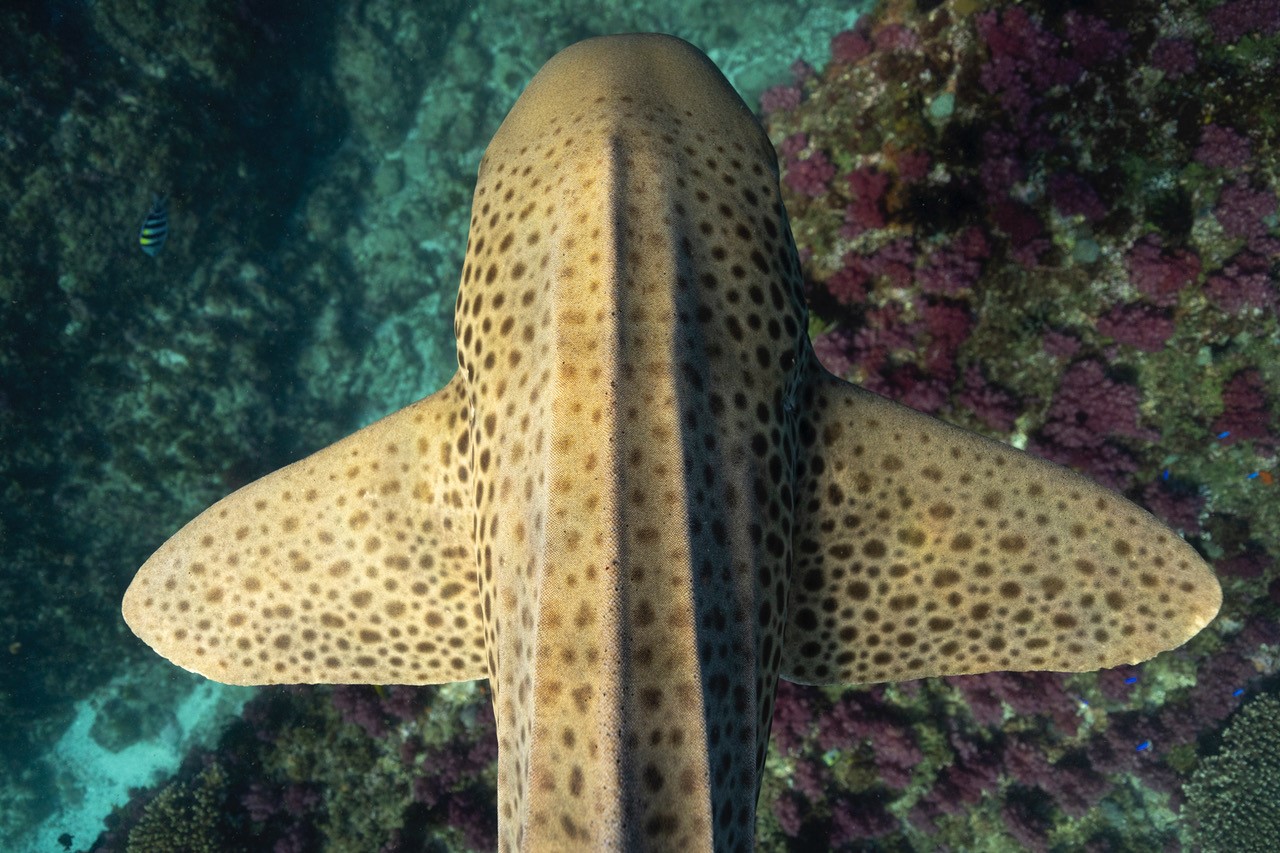
Byron Bay, NSW — leopard sharks, turtles, rays
-
Lord Howe Island — crystal-clear waters and unique endemic species
-
South Australia — leafy sea dragons and temperate-water macro gems
Best Times of Year
-
Whale migrations: June–October along the east coast of Australia
-
Whale sharks: March–July at Ningaloo
-
Leopard sharks: January–March in Byron Bay
-
Leafy sea dragons: Year-round, but clearer in winter
Understanding seasonal patterns helps you anticipate behaviours and maximise your encounters.
Unique Species Worth Photographing
Australia is home to some incredible marine characters — blue gropers, giant cuttlefish, grey nurse sharks, and the elusive weedy sea dragon. Each species requires a different approach, which keeps diving here endlessly exciting.
Final Thoughts
Sea life photography is a blend of patience, preparation, and deep respect for the animals we encounter. After years in the water, I still feel that surge of anticipation every time I descend. The ocean always has something new to show us — and capturing those moments is both a privilege and a responsibility.
If you embrace the right gear, master your lighting, refine your settings, and approach marine life with care, you’ll find your images start to transform — not only aesthetically but emotionally. Because underwater photography isn’t just about taking pictures. It’s about telling the ocean’s story through your unique perspective.

Craig Parry
Craig Parry is an international, multi award winning nature photographer based in Byron Bay, Australia.
Specialising in marine, aerial and landscape photography, Craig strives to capture the world's landscapes and oceans to share with his audience the beauty of the world. His work regularly sees him travelling to all corners of the globe in pursuit of new adventures and unique encounters, and he can often be found working with the likes of National Geographic, Discovery Channel and Travel Channel.


