



Your Guide to Landscape Photography
Landscape photography is about noticing the unseen—the quiet shift of light across a mountain, the mist weaving through a valley, the way clouds catch fire at dawn. It’s about being present, ready for moments most people walk past.
This guide is about how I approach those moments—from gear and technique to planning and post-processing—to turn what I see and feel into images that resonate. It’s not about perfection; it’s about seeing the story a place wants to tell and capturing it your way.
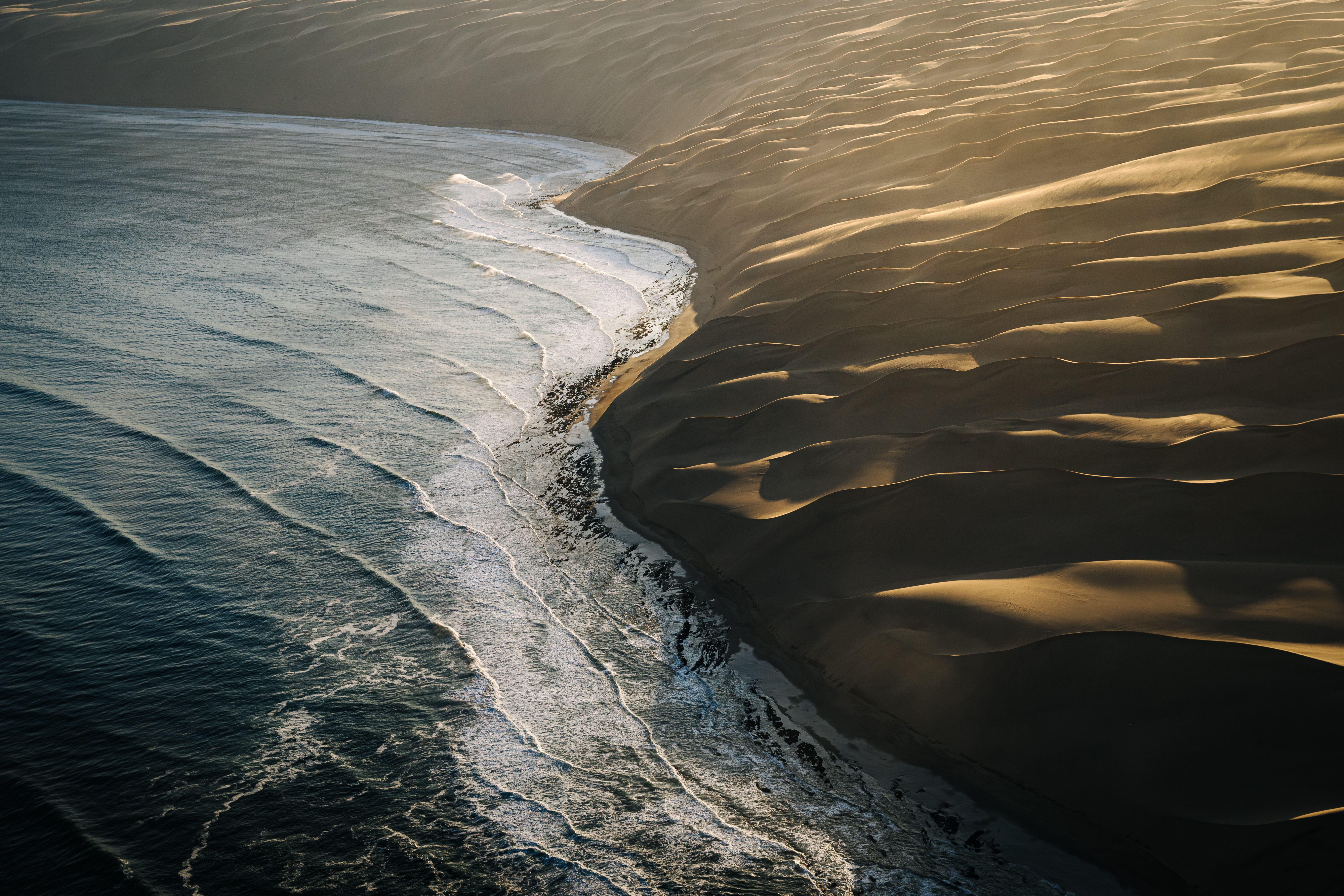
Sony A1II & 400mm f/2.8 GM | 1/4000 sec | f/2.8 | ISO 640
1. Introduction to Landscape Photography
At its core, landscape photography is about presence. It’s the patience to wait through shifting clouds, the attention to detail when light grazes a ridge, and the curiosity to explore angles that reveal depth and texture.
The best images come when you’re immersed in the moment—when your eye, your camera, and the landscape align just enough to capture something real. The camera is just the tool; the work is in how you see, feel, and interpret the scene around you.
2. Essential Equipment for Landscape Photography
Your gear should feel like a natural extension of how you move through a landscape—reliable, lightweight, and capable of holding detail when light turns difficult.
Camera Body
I use Sony bodies like the a7R series. The dynamic range lets you recover shadows while protecting highlights, and the high resolution preserves fine textures. They render shifting light honestly, allowing the scene to speak for itself.
Lenses
A two-lens setup is enough for most landscapes:
- 16–35mm/24-70mm captures sweeping views and pulls foreground textures into the frame.
- 100–400mm compresses distance, isolates subjects, and reveals quiet details in a larger scene.
Tripod
A lightweight, sturdy tripod is essential for dawn, dusk, and long exposures. Even with Sony’s excellent in-body stabilisation, a tripod provides consistency, sharper frames, and freedom to slow the shutter without compromise.
Filters
Filters help shape mood and control reflections.
- Mist filters soften contrast and add cinematic atmosphere.
- Polarisers cut glare and deepen colour around water and in bright daylight.
- ND filters slow shutter speeds to smooth water or cloud movement.
The Small Essentials
Spare batteries, extra cards, and a lens cloth are small items that make the difference when a moment appears.
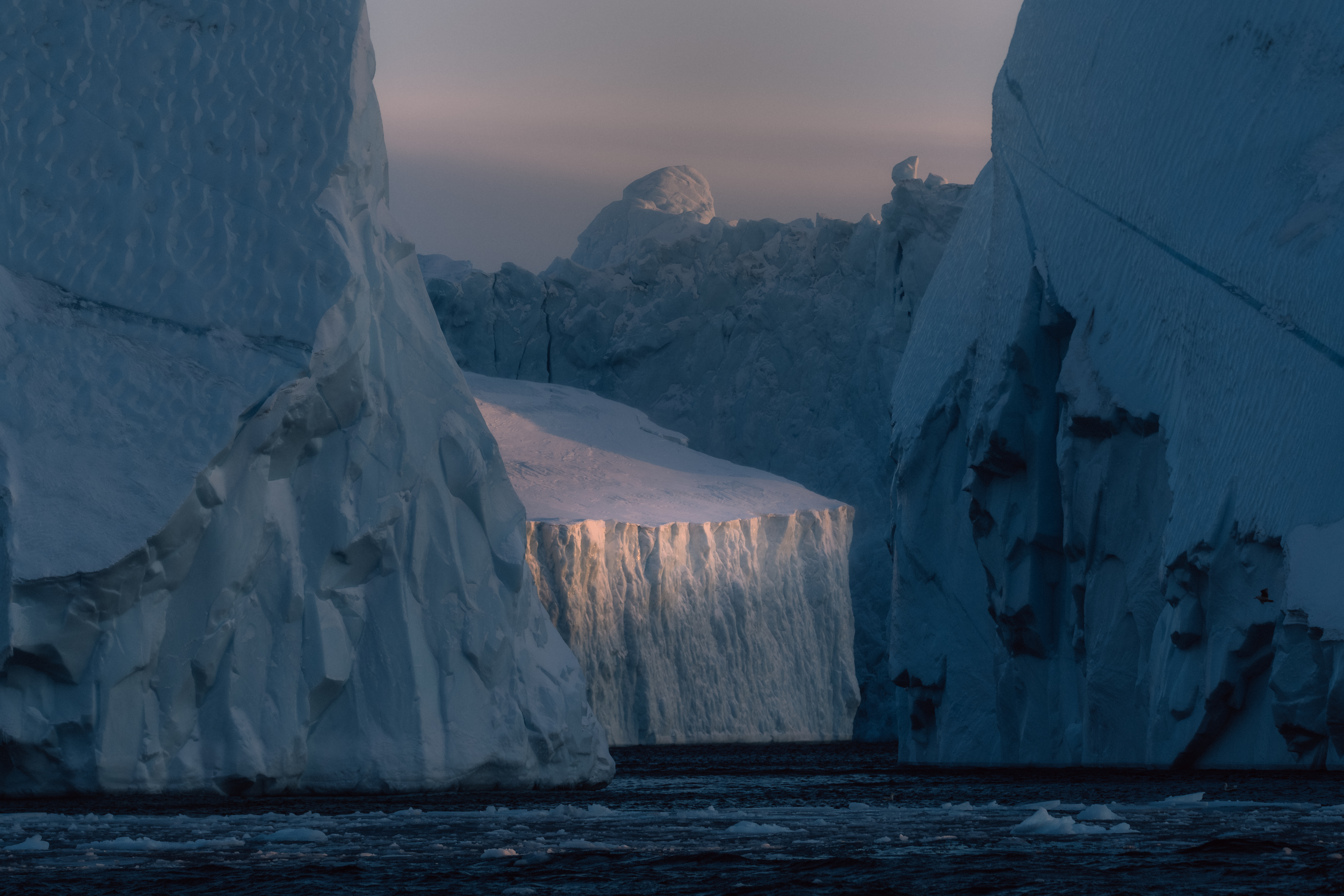
Sony Alpha A7rIV | 200mm | 1/800s | f/5.6 | ISO 200
3. Mastering Landscape Photography Techniques
Landscape photography thrives on a balance of intention and experimentation. Rules like the rule of thirds, leading lines, and clean horizons are guides—but the most memorable images often come from bending them. Align subjects left or right, embrace negative space, or let imperfect shapes dominate.
Light is your greatest tool. Don’t fear shooting into the sun or embracing silhouettes. Flare, haze, or shafts of light add atmosphere and narrative.
Lens choice shapes perspective. Wide angles (16–35mm) capture sweeping views and foreground textures, while long lenses (100–400mm) compress distance, isolate subjects, and reveal quiet details within a larger scene. Framing is intentional. Check all edges before pressing the shutter. Remove distractions, and consider how each element contributes to depth and balance.
Aperture isn’t fixed—you don’t need f/10 every time. Let the scene dictate whether to isolate subjects with a wider aperture or go deep for context. Curiosity and presence are essential. Explore new angles, shift height, and let the landscape surprise you. The best images often come when you bend the rules thoughtfully.
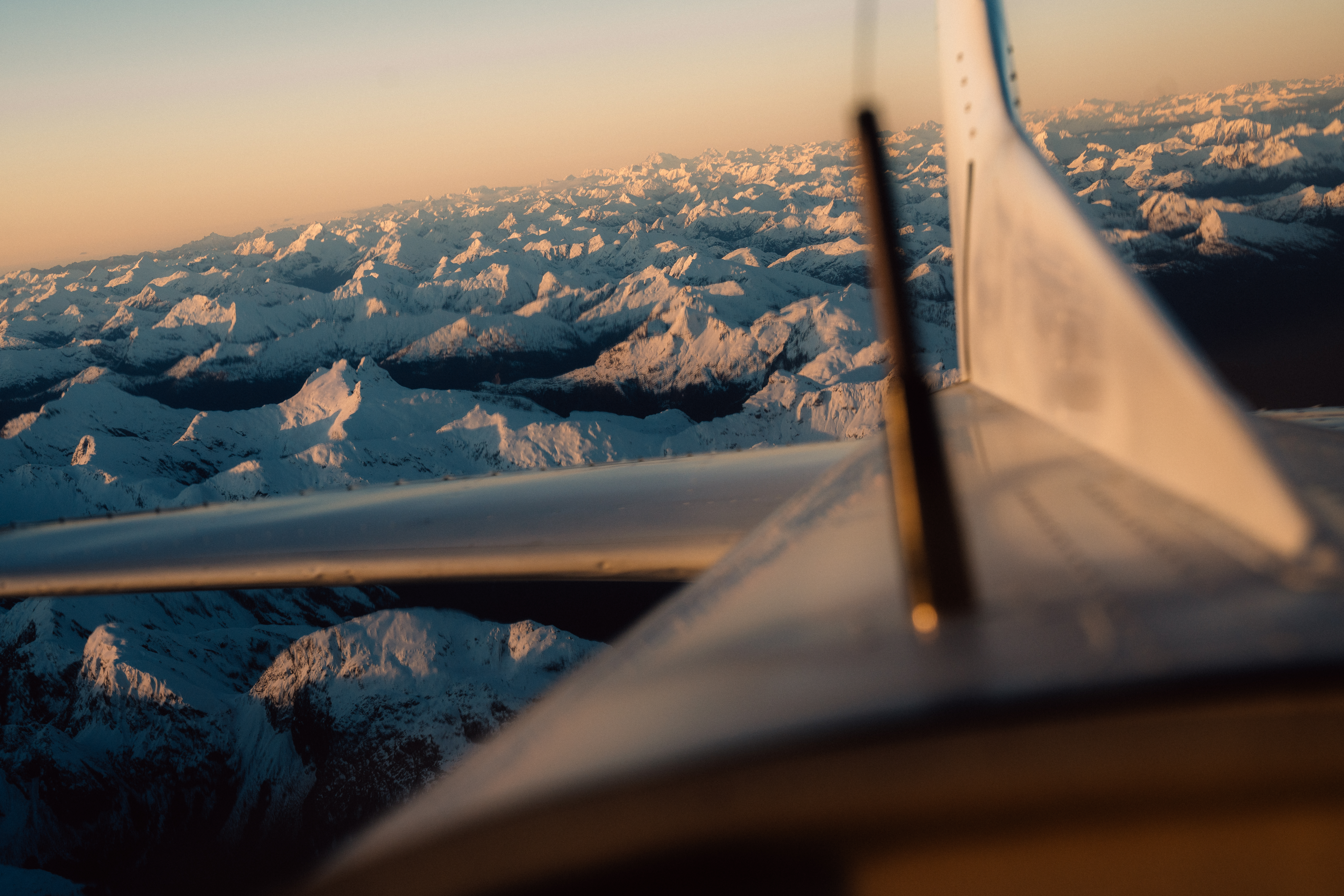
Sony Alpha A7rIV | 55mm | 1/500s | f/5.6 | ISO 200
4. Light & Its Impact on Landscape Photography
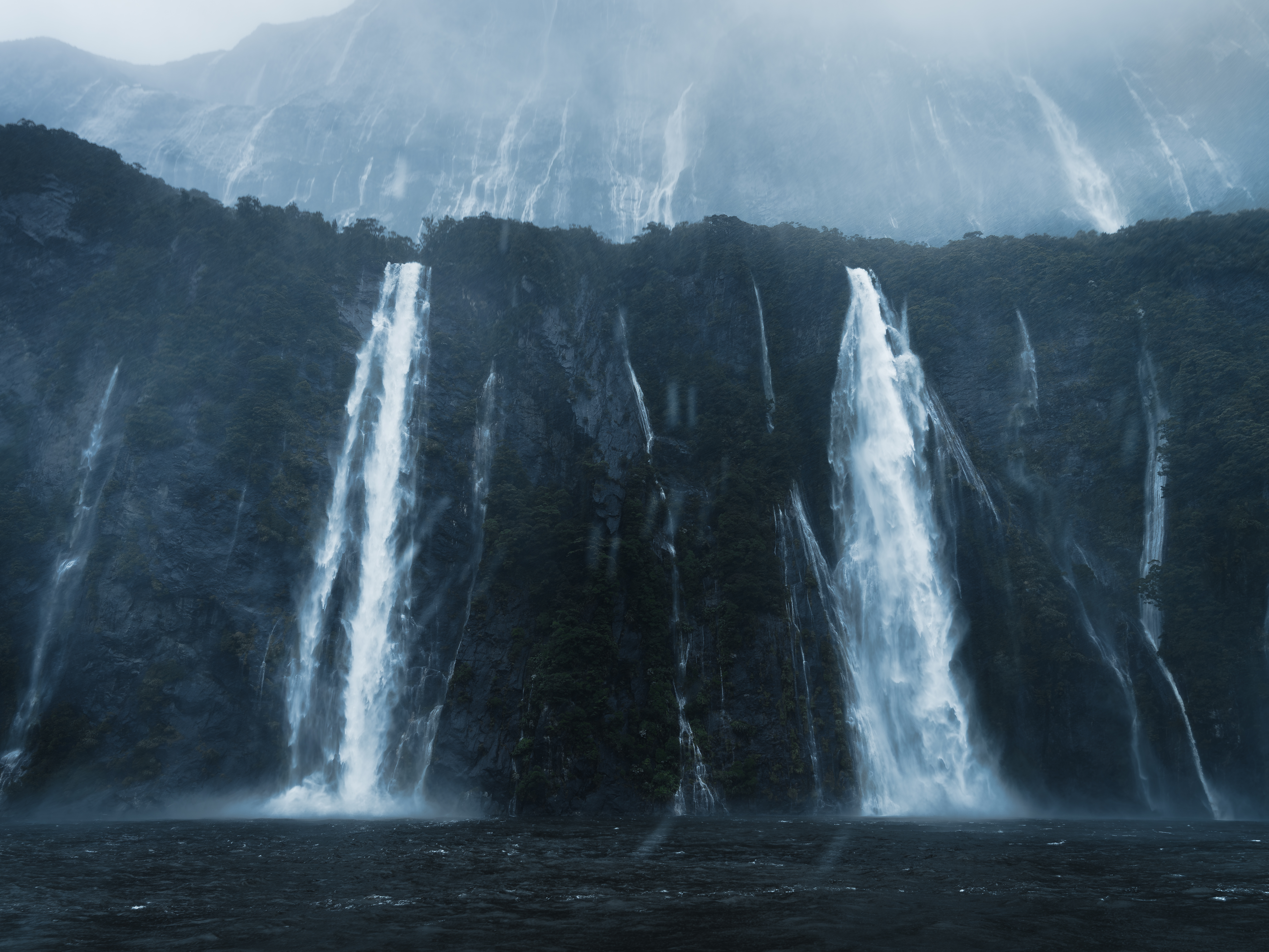
Light is the soul of every landscape, shaping texture, depth, and mood. I embrace all conditions—golden, blue, harsh, cloudy, misty—because each reveals something new.
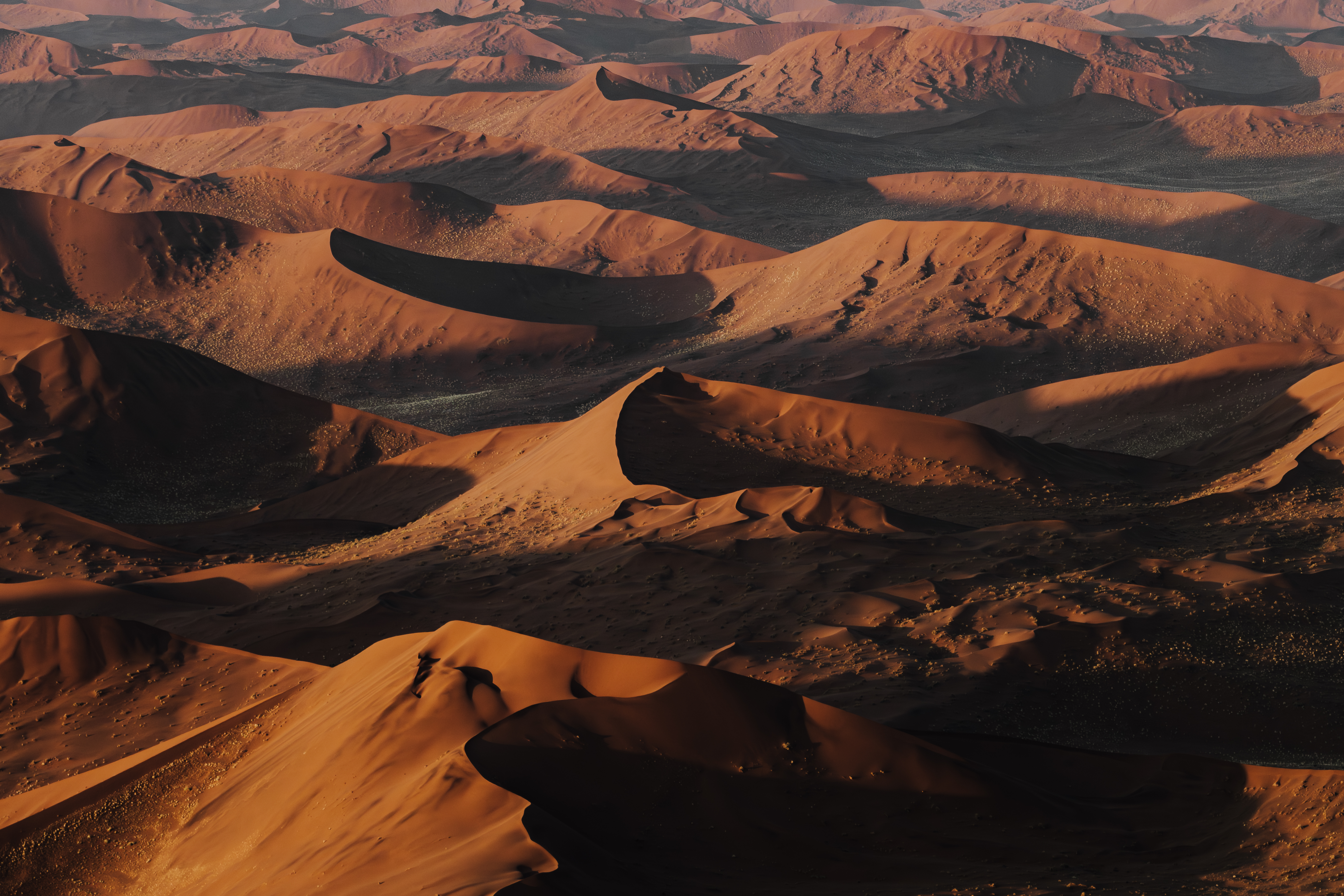
Golden hour wraps a scene in warmth, stretching shadows and revealing texture. Blue hour softens edges and adds a reflective, cinematic quality. Watching this transition is where landscapes transform—what felt flat moments ago suddenly comes alive in colour, shadow, and subtle detail.
Managing shadows and highlights is key. Use natural light to sculpt your scene: let foreground textures catch the light, watch clouds cast patterns across valleys, and let reflections deepen colour. Midday or high-contrast light isn’t a problem—it can carve mountains, emphasise patterns, and create drama.
Patience and observation are essential. Follow how the light shifts over minutes, anticipate subtle changes, and let the conditions guide your composition. Natural light is storytelling; using it thoughtfully turns landscapes into images that feel alive.
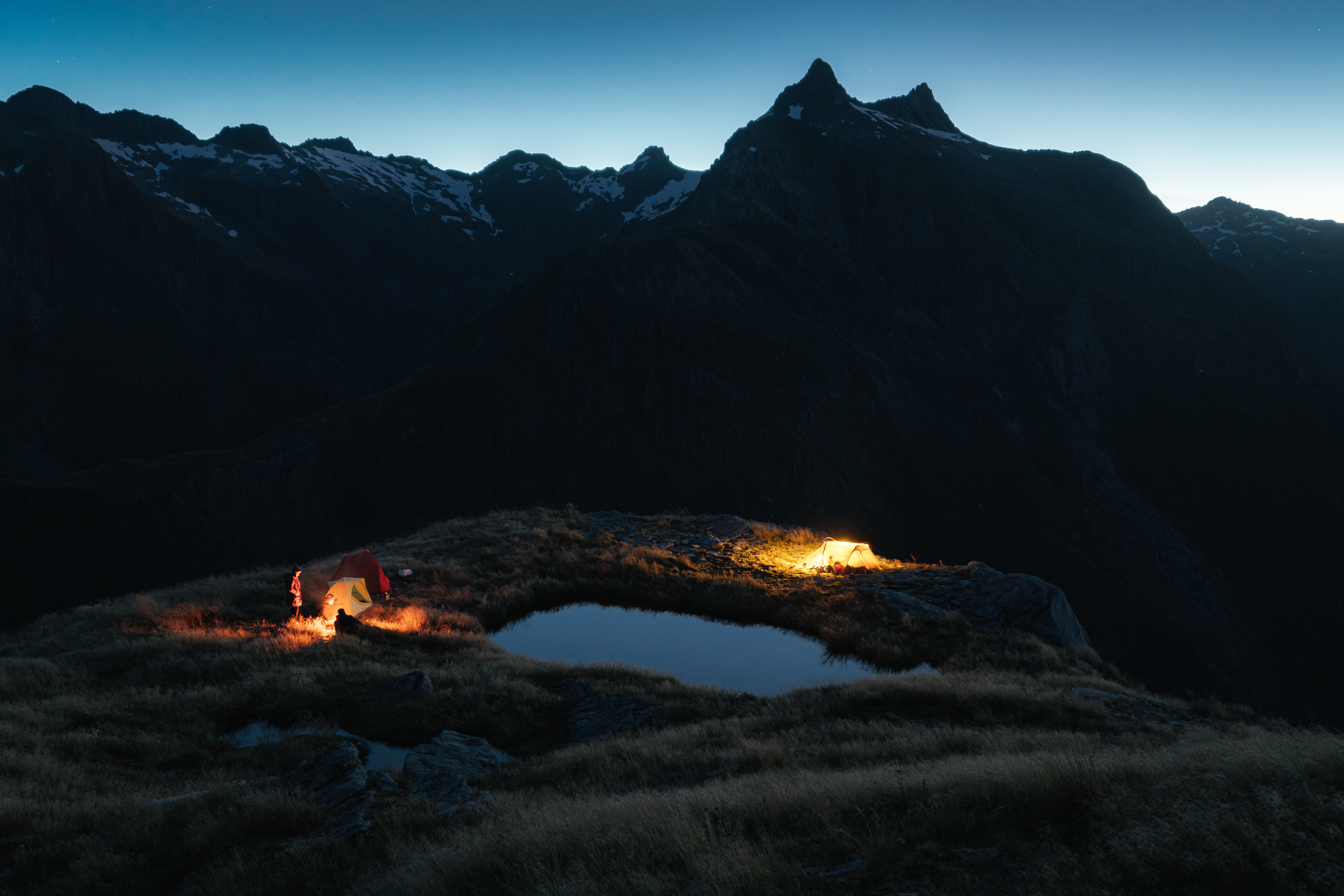
Sony Alpha A7rIV | 35mm | 1/25s | f/2.8 | ISO 1600
5. Planning Your Landscape Photography Shoot
Great landscape images come from preparation as much as intuition. I get familiar with when and where I plan to shoot, studying topographic maps, Google Maps, and tools like PhotoPills and MapOut to understand terrain and light angles. Apps like Windy help track cloud levels and potential atmosphere.
I shoot in every kind of weather—sunshine is never required. Clouds, mist, or storms often create more drama and depth than clear skies. Know the landscape, anticipate light and conditions, and be ready to move or adjust as the scene evolves.
Walk trails, explore different angles, and examine how light interacts with the terrain. Planning isn’t about scripting every shot—it’s about creating space to see and respond when the landscape reveals its story.
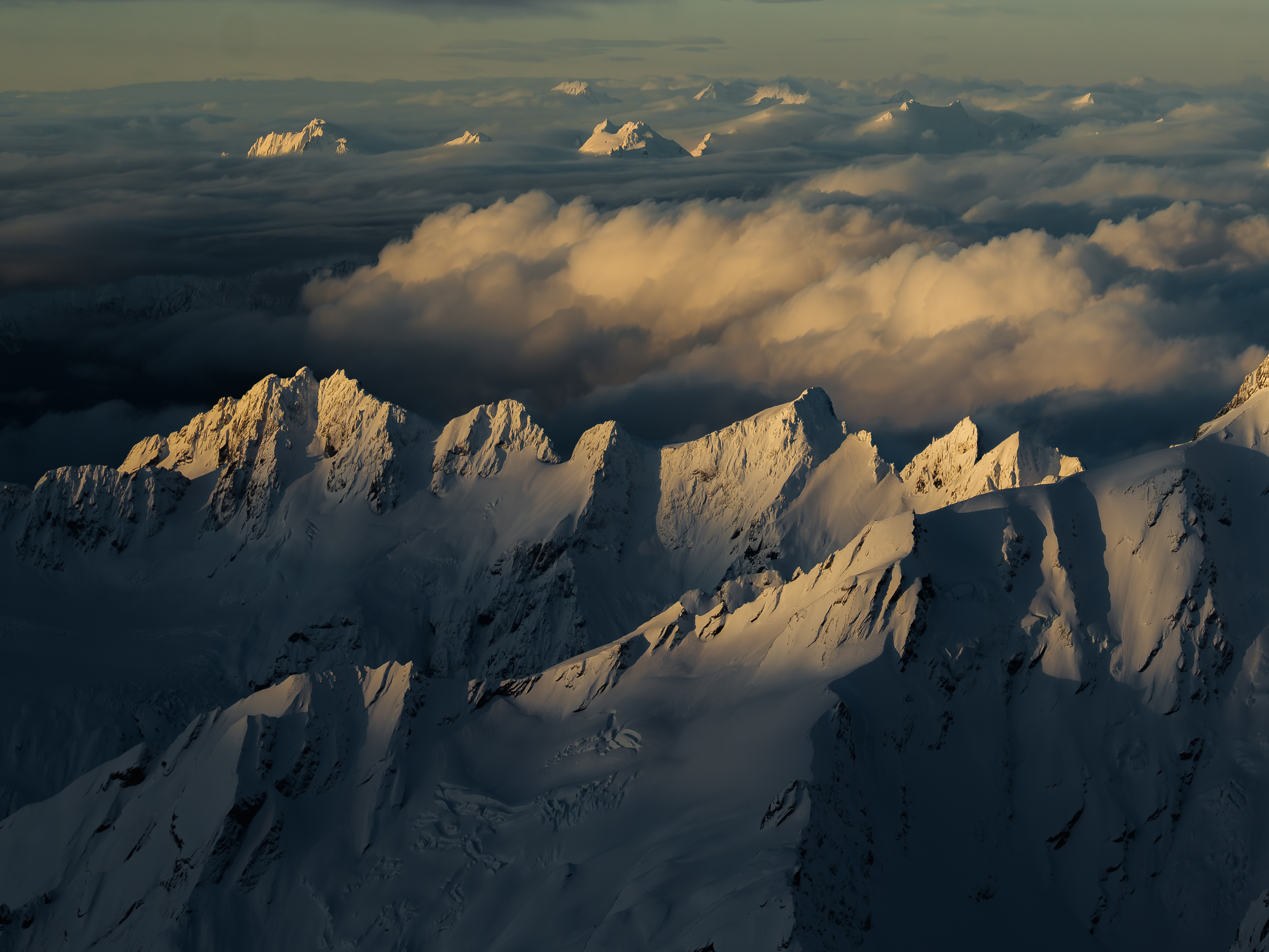
Sony Alpha A7rIV | 70mm | 1/800s | f/4.5 | ISO 400
6. Post-Processing Tips for Landscape Photography
Post-processing is about translating the feeling of a scene into an image. I use Lightroom and Photoshop to refine images, focusing on deep shadows, soft highlights, and preserving the natural tone of the light I experienced.
Getting familiar with the tone curve is key—it lets you subtly shape contrast and mood. I apply adjustments selectively, choosing exactly where to tweak contrast, clarity, or color rather than across the whole frame. Less is more; every change should enhance the story of the scene without calling attention to itself.
Before editing, I think about how the scene made me feel. Was it warm or cold? Calm or dramatic? What emotion do I want the viewer to feel? Every edit is intentional—you are the artist, and post-processing is your final brushstroke, emphasising tone, texture, and atmosphere while staying true to the moment.
Conclusion
Landscape photography is about being present—early mornings, cold hands, empty trails, and moments when everything lines up… and moments when it doesn’t. Embrace both. Some of the best images come from surprises and challenges.
Take inspiration from others, then make it your own. Gear, technique, and planning help, but what matters most is how you see and feel the landscape. Stay curious, experiment, and let your vision guide the frame. Failures are part of the process— that’s when a landscape stops being just a photo and becomes something alive.
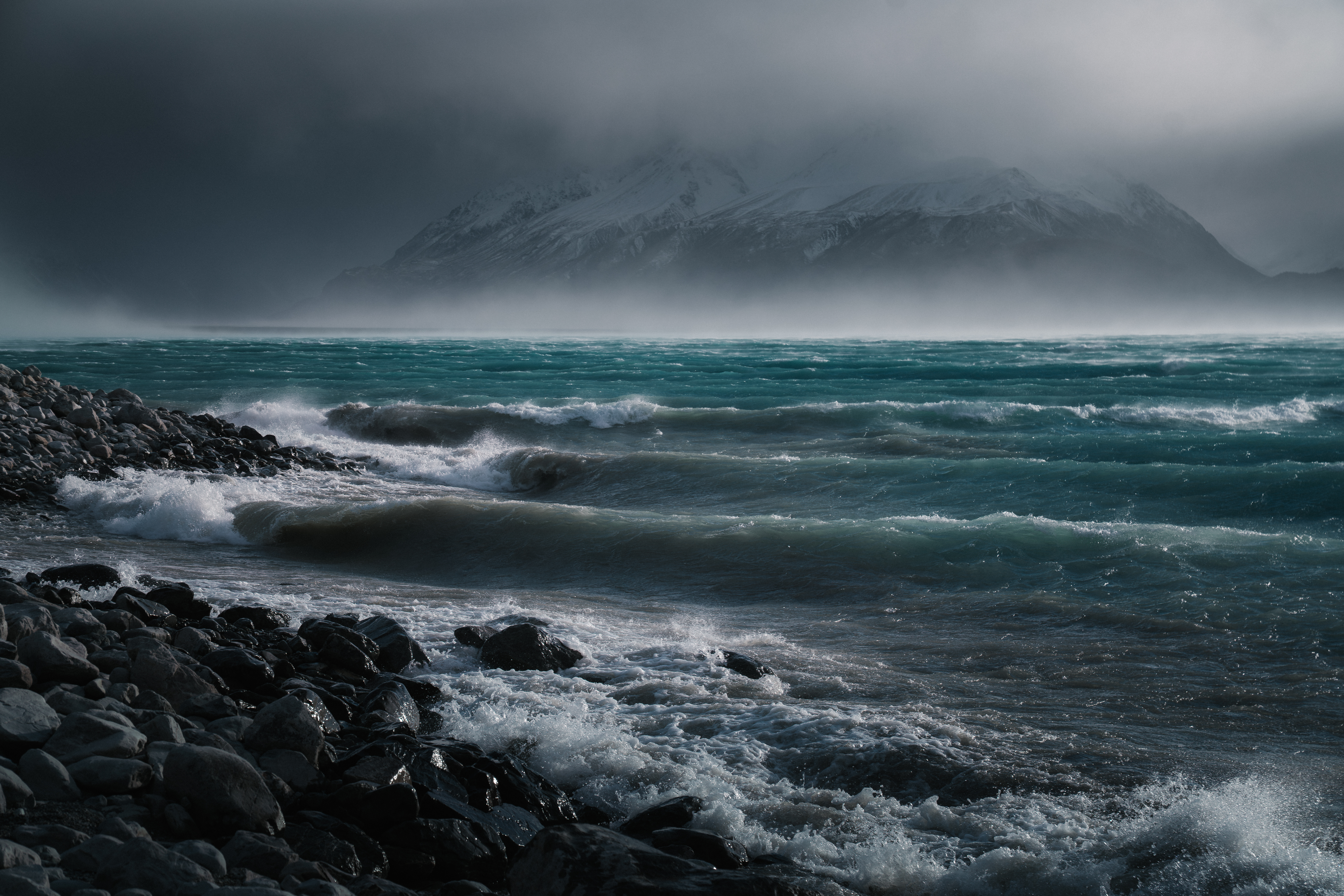
Sony Alpha A7rIV | 70mm | 1/25s | f/5 | ISO 100
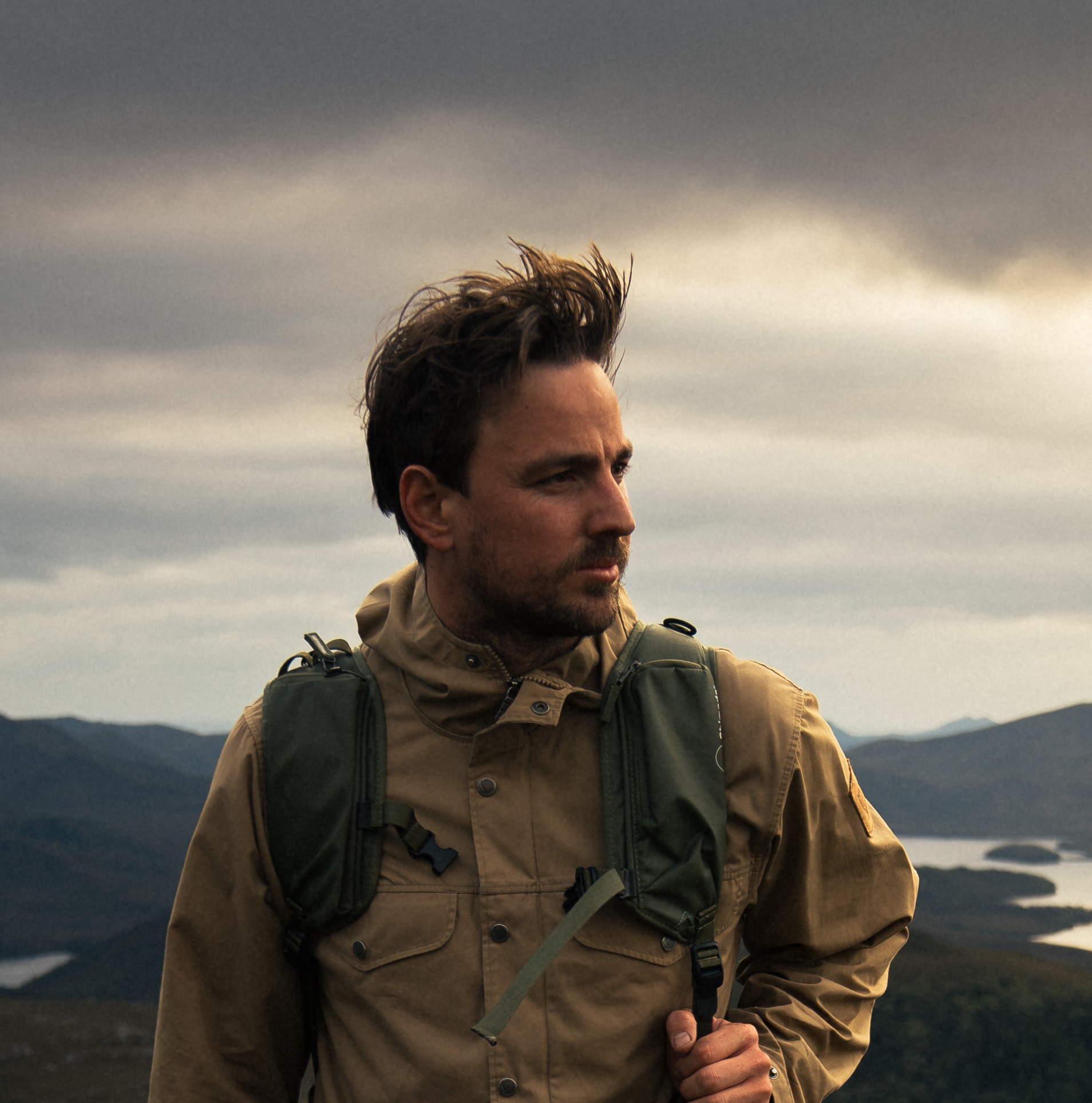
Jason Charles Hill
Based in South East Queensland, Jason Charles Hill captures off-beat destinations and untamed environments through a storytelling-driven approach. His work spans expeditions from New Zealand to the Arctic, always seeking the wild and the unknown.
Jason works across travel, lifestyle, and commercial assignments for international clients, with a focus on imagery that reveals the character and depth of the world’s most remote regions.


