
Simon Pierce


- 15mm
- ƒ/9
- 1/250s
- ISO 400
I'm an ocean wildlife photographer and marine conservation biologist living in Kaikōura, New Zealand, and working around the world.
My scientific speciality is photo-identification, in which we use distinctive markings or other characteristics to identify individual animals. That allows us to determine how many individuals use an area, how much they move around, and whether the population is changing over time. I work with whale sharks, manta rays, grey nurse sharks, leopard sharks, sea turtles, and other species, as the Executive Director of the Marine Megafauna Foundation.
As a photographer, I work internationally with scientific expeditions and conservation organisations to document endangered species, and the people working to save them. I also work with ecotourism operators and travel companies to help people have great wildlife experiences (and get great photos!) around the world.
My work has been published by National Geographic, BBC, NASA, Washington Post, Discovery, The Guardian, New Scientist, and many others. My photos and videos have also been used to support conservation initiatives by the United Nations, multiple World Heritage Areas, national governments, and many local and international conservation non-profits.
What is in your camera bag?
WILDLIFE PHOTOGRAPHY
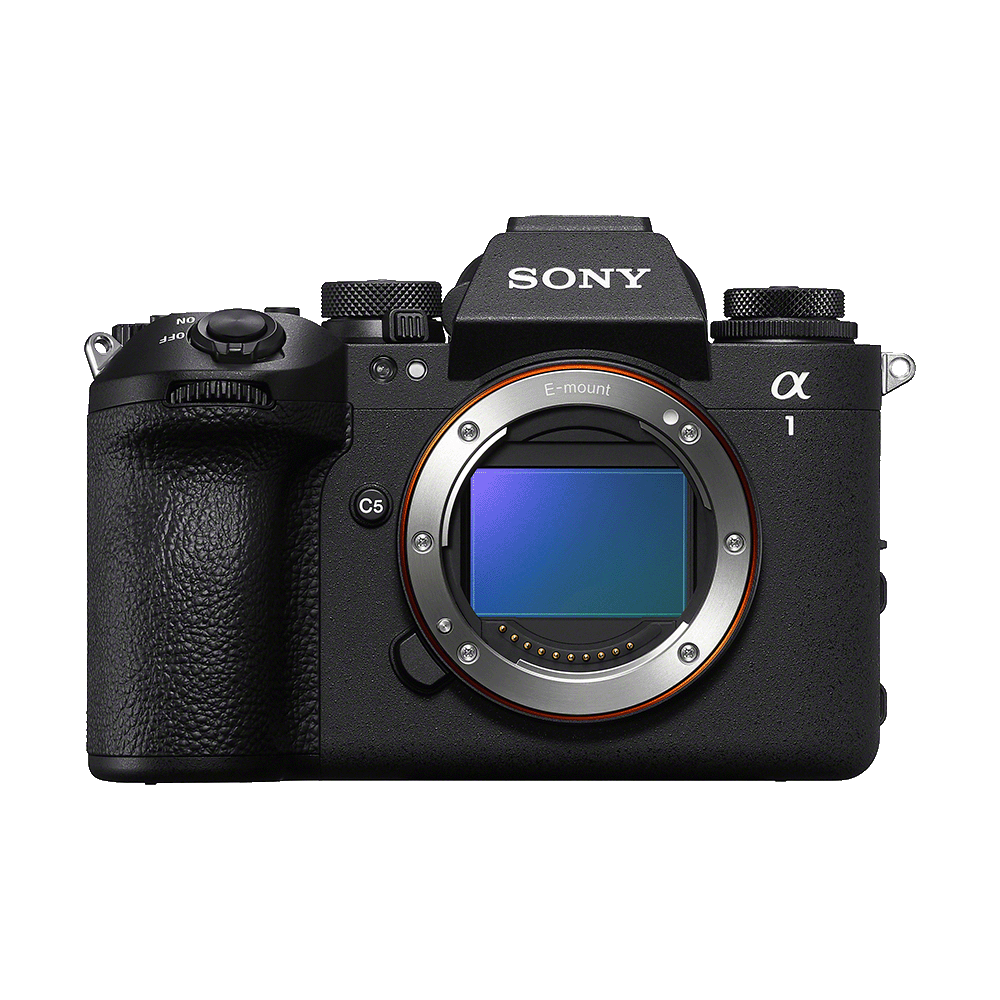
I use an Alpha 1 II camera above the water. It's amazing for wildlife photography – the subject recognition, coupled with fast frame rates and pre-capture, is a very helpful cheat code.
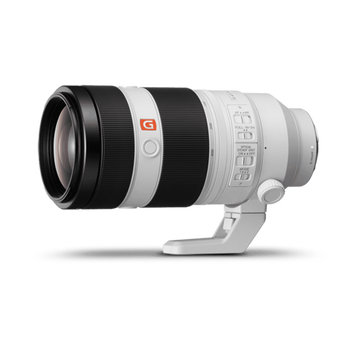
For much of my wildlife photography, especially when travelling or working from boats, I use my (original, 2017 edition) 100-400mm GM. It's a brilliant lens - the 100mm end is very helpful for 'animalscapes', while the 400mm end gets a lot of use with birds and distant wildlife. It focuses very close, it's sharp, and it's lightweight. This lens has literally travelled from the Arctic to the Antarctic with me, with lots of equatorial shoots and African safaris mixed in, and it's still going strong after nearly a decade of hard use.
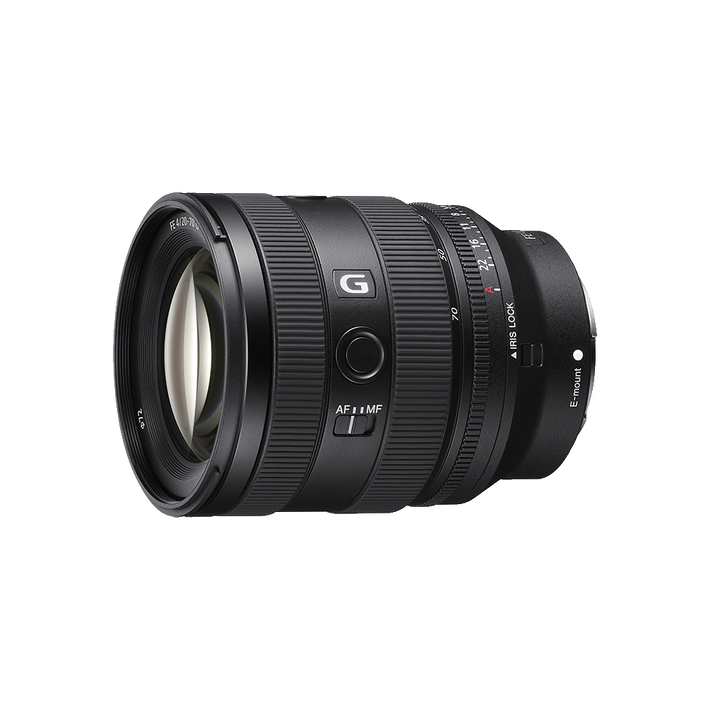
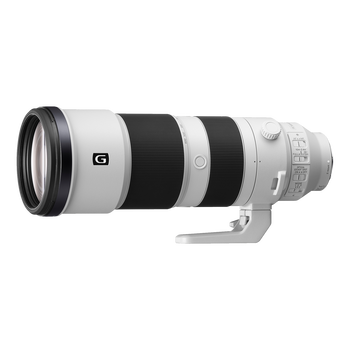
When I'm photographing birds on land, I'll typically switch to my 200-600mm G lens for some extra reach. If I'm going to be shooting in low light, or want subject isolation, my 70-200 F/2.8 GM II lens comes out of the bag. My second camera is often paired with my 20-70mm G lens for wide-angle wildlife and scenic shots. These three lenses have me covered with sharp, fast-focusing options from 20–600mm.
UNDERWATER PHOTOGRAPHY
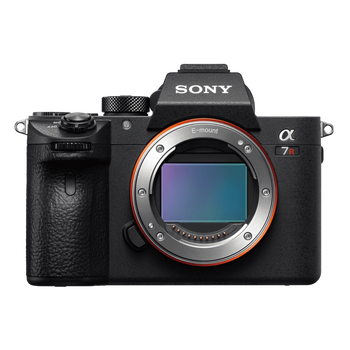
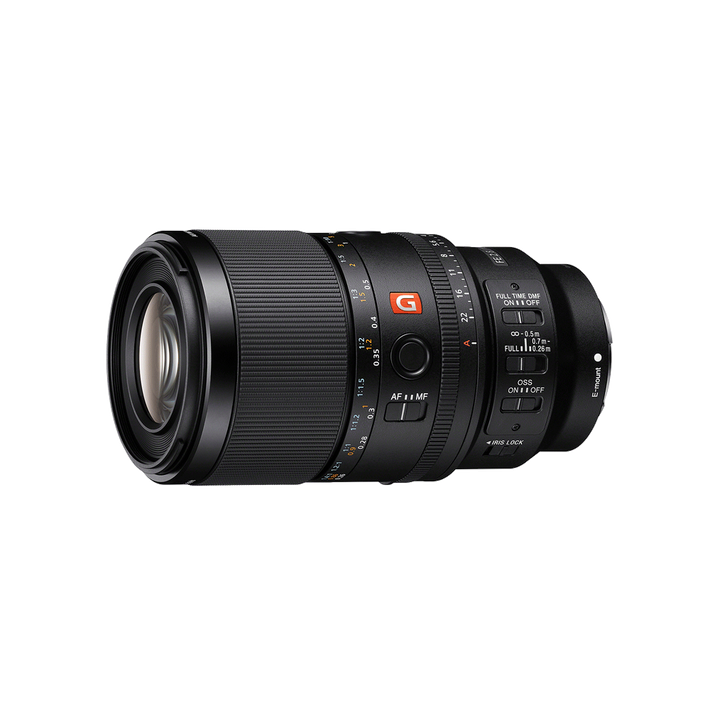
I'm using the Alpha 7R VI camera (in a Nauticam housing) below the surface. When I'm photographing underwater, I normally shoot large animals with a fisheye lens, or tiny creatures with my 100mm macro GM lens. The 28-60mm zoom lens with a wide-angle ‘wet’ attachment lens (the Nauticam WWL) is a great do-it-all option.
What is your go to in your Alpha kit and why?
As above, the Alpha 1 II and the 100-400mm GM lens is my all-time favourite combo. It's very sharp, has quick autofocus, and is light enough to carry all day. The only issue is that it's my wife's favourite setup too!


My gear



My events and articles


Grey Nurse Shark Photography & Science at Wolf Rock

Grey Nurse Shark Photography & Science at Wolf Rock
