

AU NZ

Events, photo walks, talks from the masters, in-depth workshops. Expand your horizons with one of our many events across Australia.

Explore Sony’s Digital Imaging line-up, an ever-expanding range of cameras, lenses and accessories that have been developed to meet a diverse range of creative needs and technical requirements.

Events, photo walks, talks from the masters, in-depth workshops. Expand your horizons with one of our many events across Australia.

Explore Sony’s Digital Imaging line-up, an ever-expanding range of cameras, lenses and accessories that have been developed to meet a diverse range of creative needs and technical requirements.

AU NZ
Learn to light anywhere

About the event

Location Mastery: Shooting Authentic Images Anywhere

A practical location photography workshop on scouting, reading light and making strong images when conditions are not perfect.

Most photographers can make a good image when everything lines up.

The location is beautiful. The light is soft. The background is clean. The weather behaves. The person in front of the camera knows exactly what to do.

The harder skill is knowing what to do when none of that happens.

You arrive and the sun is harsher than expected. The location looks different to the reference images. The background is messy. The light you liked ten minutes ago is gone. The wind picks up. You find open shade, but suddenly the image feels flat. Or you spend so long looking for the perfect spot that you miss the photograph that was already there.

That is what this workshop is built around.

Location Mastery is a practical, small-group workshop for photographers who want to get more confident shooting people outside the studio. We’ll work with a live model in real locations, breaking down how to scout, read the available light, place your subject, use the environment and make decisions quickly when the conditions change.

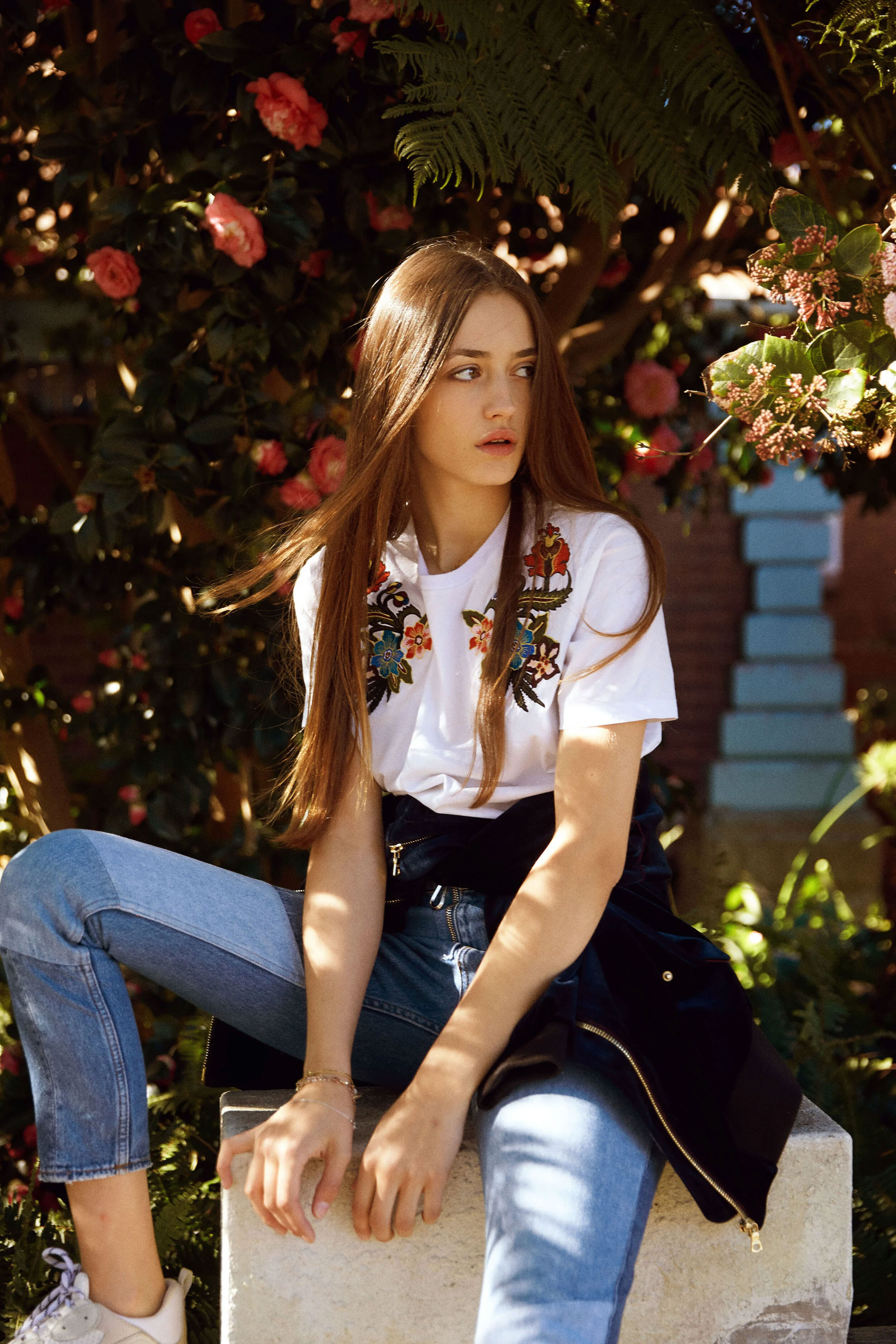
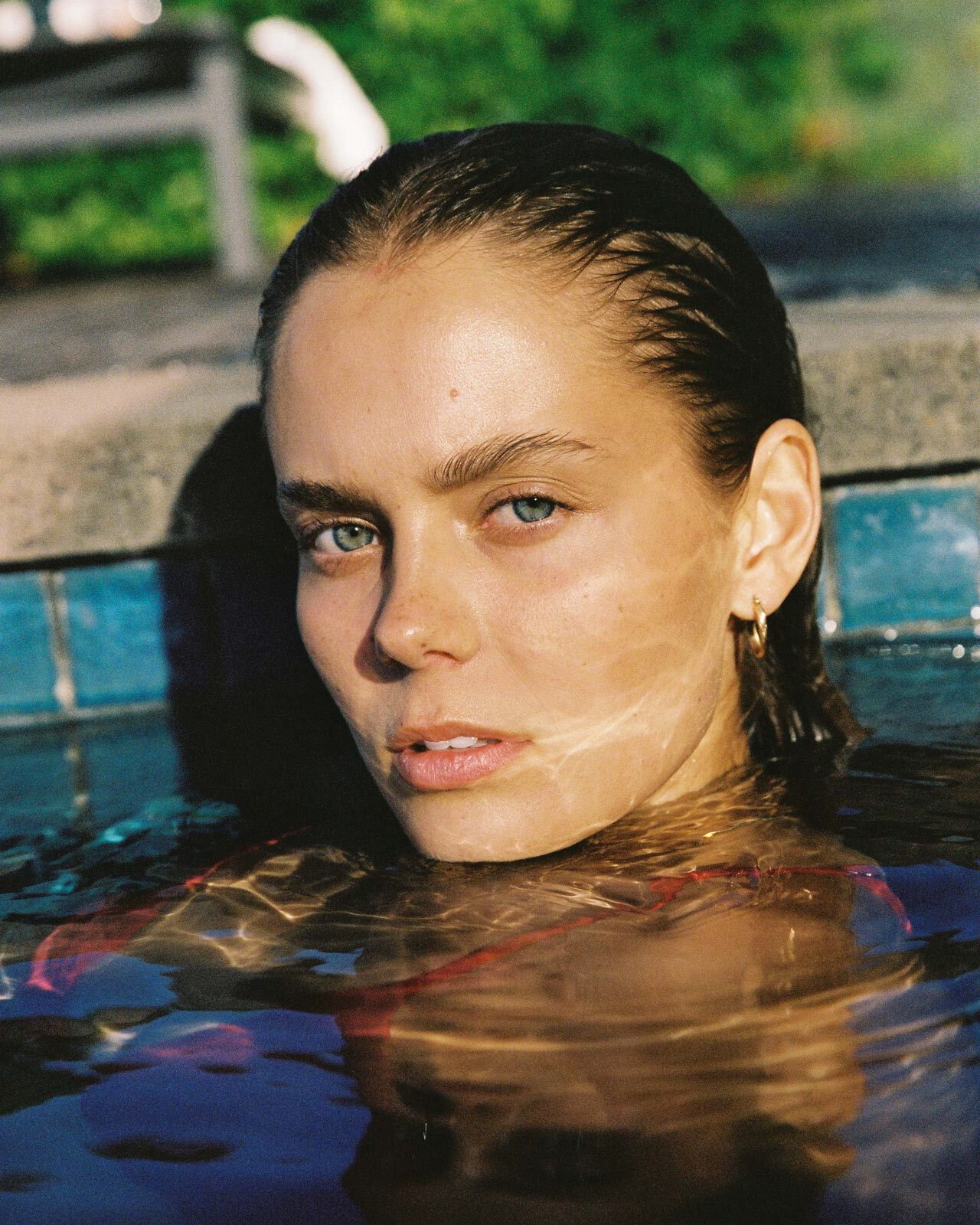
This is the part of photography Oliver Minnett is best known for: working with people in real environments, using available light, simple shaping tools and minimal intervention to create images that feel natural, considered and human.

The goal is not to turn every location into a studio.

It is to help you walk into an unfamiliar place, understand what is useful, make a decision and get on with making the photograph.

The reality of commercial location work

On jobs for clients including Vacay Swimwear, Rusty, Taylors Wines, NRMA, Foxtel and the ARIA Awards, you rarely get perfect conditions.

You get the location you have been given, the time you have been given, the weather that turns up, the talent in front of you and a list of images that still need to be made.

That is where being practical matters.

You need to work out quickly what you can control, what you cannot, where the useful light is, what the background is doing and what the simplest solution is. Sometimes it means moving the subject two metres. Sometimes it means waiting five minutes. Sometimes it means dropping the original plan completely and making something better with what is actually in front of you.

That ability to adapt is a huge part of getting booked again.

Clients are not only paying you to take a nice photograph. They are paying you to solve the problem in front of you, keep the shoot moving and make strong work without turning every change in conditions into a crisis.

That is what we’ll practise.

What we’ll be doing

We’ll start by looking at how Oliver approaches a location before the camera even comes up. Not just whether somewhere is “pretty”, but where the light is coming from, what it is doing to the face, which backgrounds are helping, where colour and texture are working, what is reflecting light back into the scene and how the location might change over the next hour.

A lot of location photography is learning to notice those things earlier.

We’ll work through harsh sun, open shade, backlight, reflections, changing weather and ordinary environments that need a little more thought. You’ll see how small changes in camera position, subject placement, direction or timing can completely change an image.

We’ll also look at when natural light is enough, when a reflector or bounce board can solve the problem, and when it makes sense to introduce a simple single-light Profoto setup.

The question throughout the day will be simple: what is the smallest change that improves the photograph?

Rather than memorising lighting recipes, you’ll see the decision-making behind the image. We might take a frame, realise the background is fighting the subject, move, shoot again, change the angle, wait for the light or bring in a small amount of bounce. You’ll see the mistakes, corrections and practical choices that usually happen very quickly on a real shoot.

That process is the point.

Working with people, not just light

Location photography is not only light and composition. The person in front of the camera changes everything.

We’ll look at how to direct someone without making them stiff, how to keep a shoot moving, when to correct a pose and when to let movement happen naturally. Sometimes the technically correct frame is still the boring one. The best photograph often comes from paying attention, making a small adjustment and leaving enough room for something unplanned to happen.

Oliver will break down how he creates images that feel natural without making the process loose or unclear. You’ll see how direction, communication and pace all affect the final result.

This is a practical workshop

This is not a location walk where you stand behind someone else carrying a camera.

You will shoot.

There will be practical shooting throughout the workshop with a live model, time to test the ideas being demonstrated and opportunities to ask questions while the problems are actually happening. We’ll stop, compare results and talk through why one choice worked better than another.

The purpose is not for everyone to leave with the same predetermined hero image.

The purpose is to build your confidence in seeing a location, reading the light and making your own decisions when the next shoot does not look anything like this one.

Why this is easier to learn in person

Finished images do not tell the whole story.

You can look at a photograph online and know it works, but you do not see that the photographer originally stood five metres away, moved the subject, changed the angle, waited for the light to shift, noticed a reflection off a wall and then made the final frame.

On location, centimetres, angles and timing matter.

Being there means you can see the scene before the photograph, watch the decisions unfold and understand why the image changes when the subject moves, the light shifts or the background is simplified. That is much harder to understand through a finished image or a saved lighting diagram.

Who this workshop is for

This workshop is for photographers who want to become more confident photographing people outside the studio.

It will be especially useful if you shoot portraits, fashion, swimwear, lifestyle, editorial, artists, music, personal branding, campaigns, travel or content and want your images to feel more intentional.

You do not need to be a professional photographer, and you do not need advanced lighting knowledge. You should be comfortable operating your camera and changing basic exposure settings.

If you have ever arrived at a location and thought, “Where the hell do I start?”, struggled with harsh sun, overused open shade, missed the best light or felt like your images never quite match the feeling you had in your head, this workshop is for you.

What you’ll walk away with

You’ll leave with a more practical framework for scouting locations, reading light, placing your subject and working quickly when conditions change.

You’ll have a clearer sense of when to leave the light alone, when to use the environment, when to add bounce and when a simple artificial light can help without making the image feel forced.

More importantly, you’ll leave with more confidence in your ability to make strong images without waiting for perfect weather, perfect light or the perfect location.

This is not about making location work more complicated.

It is about helping you see better, decide faster and make the location in front of you work.

FAQ

Will I get to shoot?

Yes. This is a practical workshop with shooting time throughout the session. We’ll work with a live model, and you’ll have opportunities to apply the ideas being demonstrated rather than just watch.

Is this a portfolio shoot?

Not really. You should absolutely come away with images, but the main purpose is education. The focus is learning how to approach locations and make stronger decisions, not creating one pre-planned portfolio setup for everyone.

How experienced do I need to be?

You should be comfortable using your camera and adjusting basic exposure settings. You do not need extensive experience working with models or advanced lighting knowledge.

Do I need to own Profoto gear?

No. Profoto equipment may be used for simple lighting demonstrations, but the principles apply regardless of the camera or lighting system you own. Most of the workshop is about using the location and available light well.

What should I bring?

Bring your camera, charged batteries, memory cards and lenses you are comfortable using. A standard zoom or portrait prime is more than enough. Wear comfortable shoes and clothing suitable for being outdoors.

What happens if the weather changes?

That is part of the workshop. Cloud, wind and changing light are all real parts of location photography, and we’ll use them as practical teaching moments where possible. If conditions become unsafe or make the workshop impossible to run, attendees will be contacted directly.

Is this only useful for portrait photographers?

No. The same skills apply across fashion, lifestyle, editorial, travel, music, campaign and commercial photography. If you photograph people in real environments, the thinking translates.

What if the location is not perfect on the day?

That is kind of the point.

The workshop is about learning how to assess whatever is actually in front of you, make decisions quickly and create something strong from it.

What to bring

  • Your camera
  • Comfortable Clothes
  • Walking Shoes
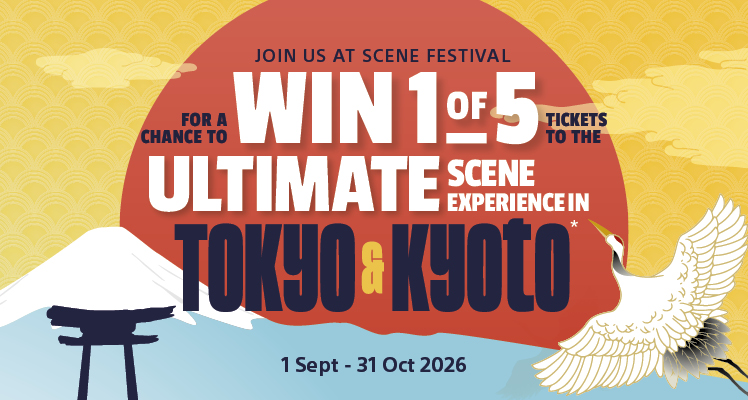
Attend & win a trip to Japan with Sony!

Attend & win a trip to Japan with Sony!

Attend any event during Scene Festival, which runs between Tuesday 1 September - Saturday 31 October 2026, and receive one entry into the draw for a chance to win one of five tickets to the ultimate Scene experience in Tokyo and Kyoto, Japan! The more events you attend, the more chances you have to WIN!

Retail Partner

Georges Cameras

Georges Cameras was established in 1981 and has been creating photographers for over 39 years. Georges is one of the leading independently-owned camera and elec...

Read more
Learn more