
About the event
Build a Camera Rig That Actually Makes Sense: Hands-on rigging workshop with Clyde Vaughan
Rigging a camera can look impressive, sure. But the real reason people build out a “camera package” is simple: it makes shooting easier. Better balance. Longer power. Cleaner monitoring. Smoother operation. And a setup that fits the kind of work you actually do.
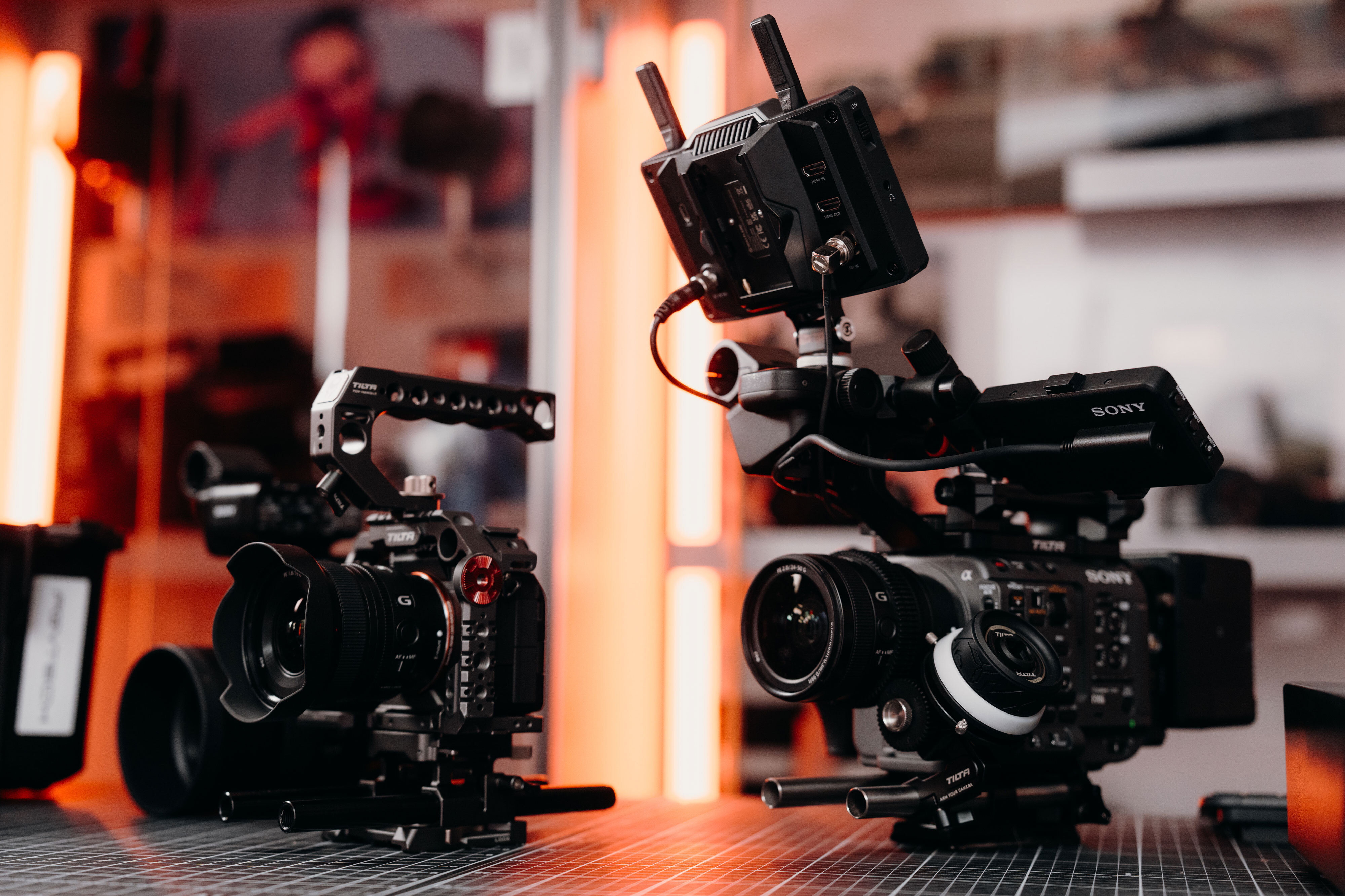
In this hands-on session, Clyde Vaughan will walk you through how to rig Sony cinema bodies in a way that improves your workflow, not just your Instagram.
Powered by the trio: Sony leads as primary sponsor, Tilta brings the rigging ecosystem, and Hollyland takes centre stage on wireless—live monitoring, client/director viewing, and cable-free workflows you can trust on set.
On the night we’ll have event-only specials from Sony, Tilta and Hollyland.
The cameras we’ll be rigging
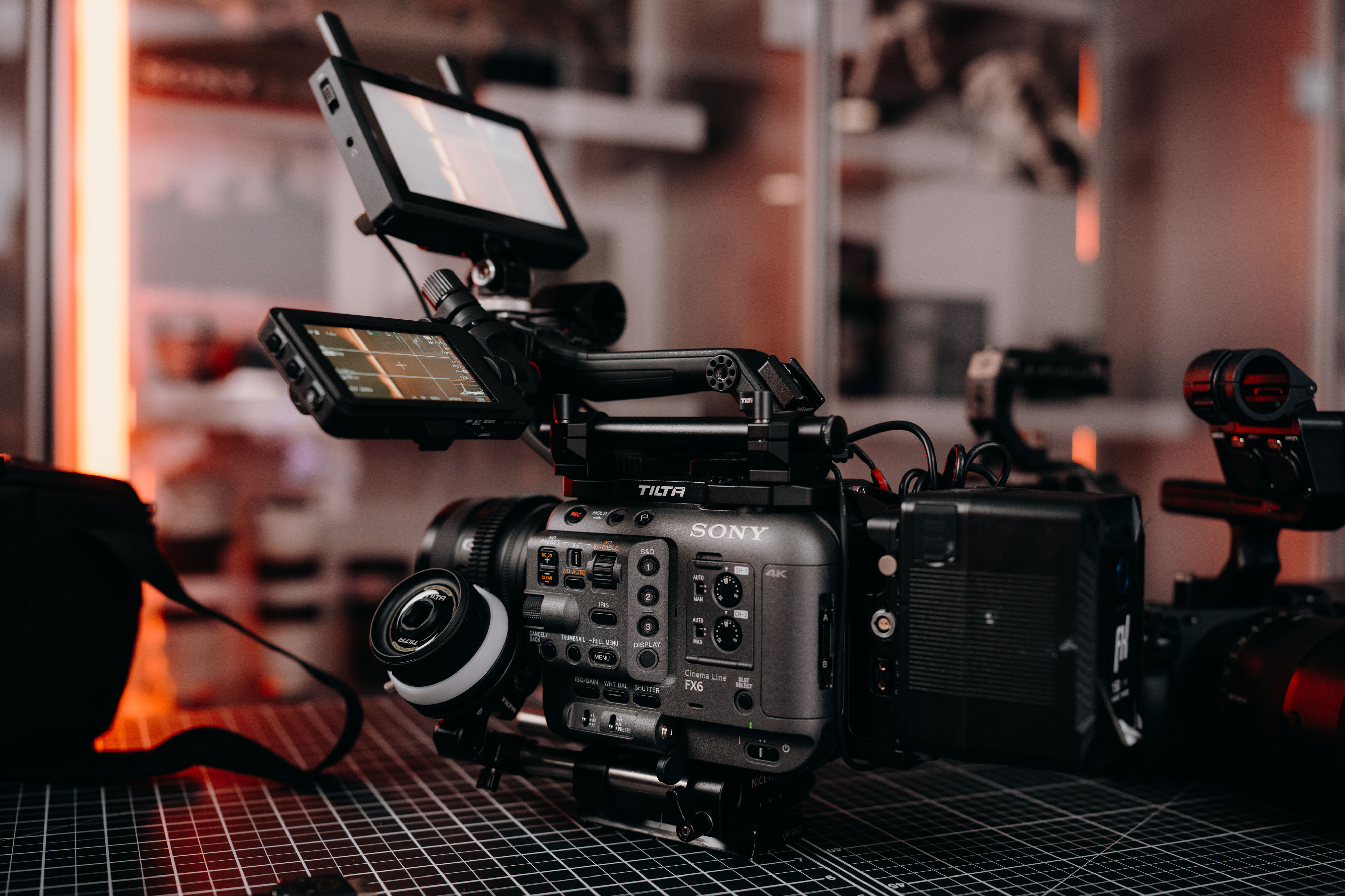
We’ll be building rigs around Sony’s FX series, including the FX2, FX3, and FX6. We’ll have a mix of parts on hand so you can explore different styles of builds, from stripped-back handheld to more fully built “production-ready” packages.
What this session is really about
The goal is to help you figure out how to put a rig together for your needs and understand why each piece exists. Clyde will cover the practical reasons rigging matters, and you’ll test setups that solve common problems like fatigue, shaky handheld footage, short battery life, and awkward monitoring.
Why do we rig cameras?
Yes, it can look cool. But rigging mirrorless and cinema cameras into a proper “camera package” can dramatically improve your workflow. It can make your camera more comfortable for all-day use, improve stabilisation, integrate focus and monitoring tools properly, and help your setup fit into a set environment when you’re working with a team.
Stabilisation and balance
A heavier, well-balanced rig moves the centre of gravity closer to where it should be and helps smooth out handheld movement. More mass also means more inertia, which reduces micro-jitters and makes the camera easier to control. A properly built rig can also sit better in your arms, on a cinesaddle, or on support systems like an Easyrig.
Battery life for real shoots
If you’re shooting interviews, events, or longer days, internal batteries often aren’t enough. External power (like V-mount batteries via a plate) gives you longer runtimes and a more reliable setup. Batteries can also be positioned to improve balance, and you’ll see common ways to power cameras via dummy battery, D-Tap, or USB-C depending on the build.
Focus control that’s actually usable
Rigging lets you add proper focus solutions, often mounted via 15mm rails. Whether it’s a manual follow focus or a wireless system, it can make focusing more precise and repeatable. It also opens the door for a focus puller to work remotely while the operator concentrates on movement and framing.
Monitoring you can trust
For Clyde, a monitor is one of the most essential parts of a rig. It gives you a bigger, brighter view of your framing, and access to tools that make shooting easier and more consistent, especially in challenging light or fast-paced environments.
Hollyland will show you how to go truly wireless without the headaches. We’ll demo real-world links for video village, reliable on-camera TX/RX options for solo and crewed shoots, and tidy, low-latency monitoring that keeps clients, producers and directors in the loop—so you shoot faster with fewer do-overs.
Working like a set, not a solo shooter
Wireless video isn’t essential for every job, but it makes a huge difference when clients, producers, or directors need to see what you’re doing. Getting a feed to “video village” can reduce mistakes, cut down on takes, and improve communication on set. More eyes on the feed can also help with continuity, framing, and talent direction.
What you’ll leave with
By the end of the session, you’ll understand what each rigging component does, why you’d choose one setup over another, and how to build something that fits your shooting style. Whether you’re building for handheld, tripod, shoulder, gimbal, studio, or a hybrid “do-it-all” kit, you’ll have a clear path forward.
What to bring
- Your FX or Alpha series camera body