


About the event
This meeting is a near-repeat of the first 'AI in Photography' meeting as there was such a great response. It is for all those who couldn't make the first one (there was even a request from Texas!). But in the intervening weeks, so much has developed, that I've made substantial up-dates to the first talk.
This talk has helped the first attendees to understand the context of today's AI (Artificial Intelligence) revolution in photography. Also to grasp the basics of what AI is and what it means to photography.
It will be non-technical, but we need enough technical detail to ensure you don’t stumble into the misconceptions that are hobbling many discussions.
We’re at the dawn of photography’s Second Digital Revolution. It’s exciting, it’s scary, but the future is here. How it develops depends on how we handle it!
Background
We start with a little ramp on: from integrated circuits in cameras to the grunt work that led to ‘intelligent metering’.
After that, only 20-odd years ago, came the first digital revolution that you know all about it. Now, today’s use of machine intelligence in picture-making is so ingrained, many don’t even realise much of our photography depends on high-level computing.
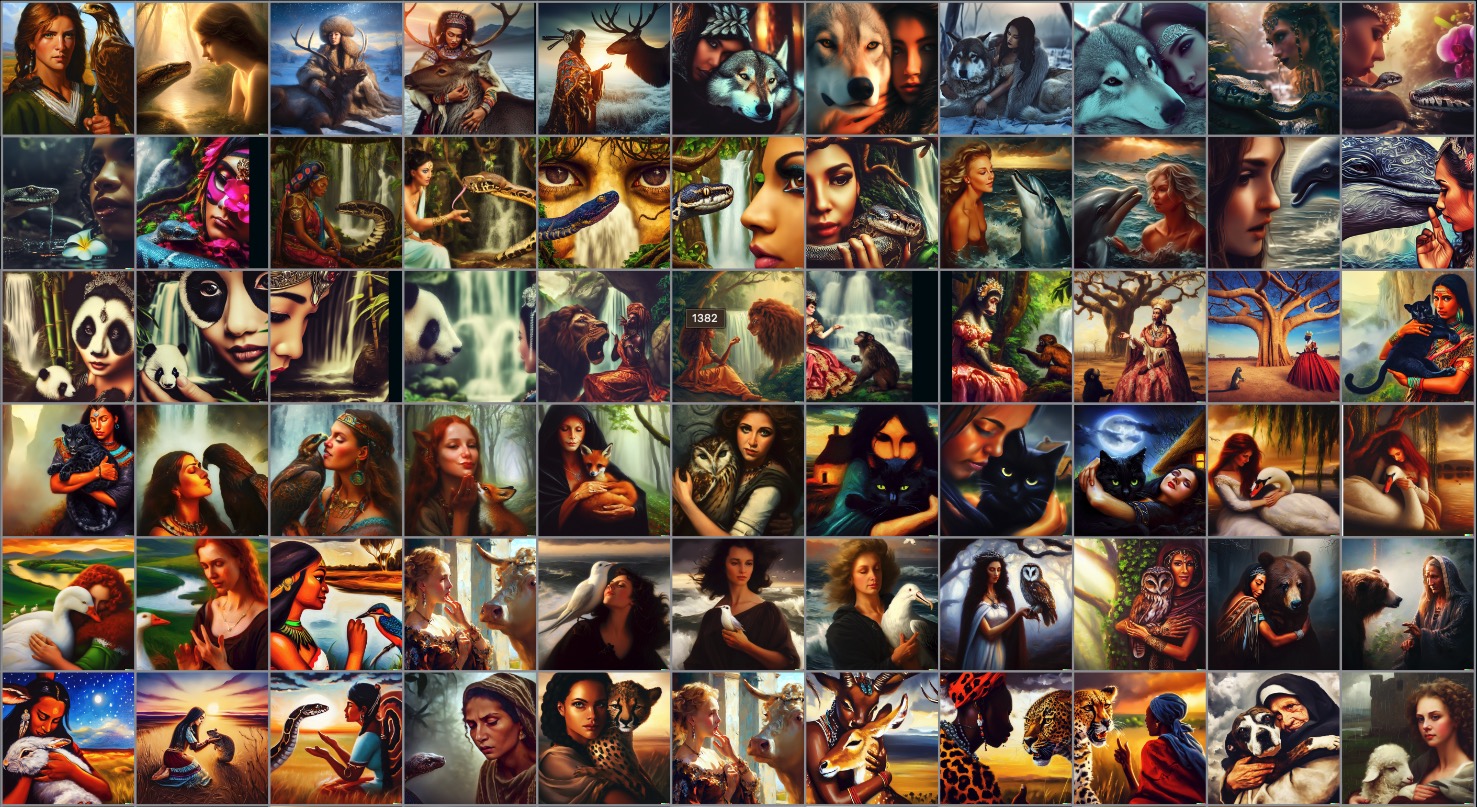
Now, the photography boat is in the rough seas of a Second Revolution. It's the rise of deep learning and amazingly rapid spread of generative models giving us synthograms of a variety and quality that – only last year – were considered impossible.
Join me if you’re interested in any of these topics:
- Machine intelligence: what does it have to do with photography?
- Machine and deep learning: what is it, and how does it lead to Artificial Intelligence?
- Text-to-image AI generative models such as DALL-E, Adobe Firefly, Midjourney: how they do what they do.
- Copyright and ethical issues: a very brief briefing. I will treat this in more detail in a separate meeting.
- NFTs: what do they have to do with photography?
You’re sure to have heaps of questions, so I will allow plenty of Q&A time.
Twenty-five years ago, I was one of the first to adopt digital photography in professional practice. Who wrote some the first books to popularise digital photography? Me; guilty as charged.
For the more than a year now, I’ve been on Artist Support and a tester for OpenAI on DALL-E, I’m represented in curated NFTs marketplaces and write on AI in photography and other topics in my Substack: tomang.substack.com (click on link: you can subscribe for free with your email address).
Techniques covered
- Image generation
- Deep learning and 'scraping' of photographs
- Copyright
What to bring
- Yourself and your questions

Other events you may like
See all


Design Great Photobooks
