

About the event
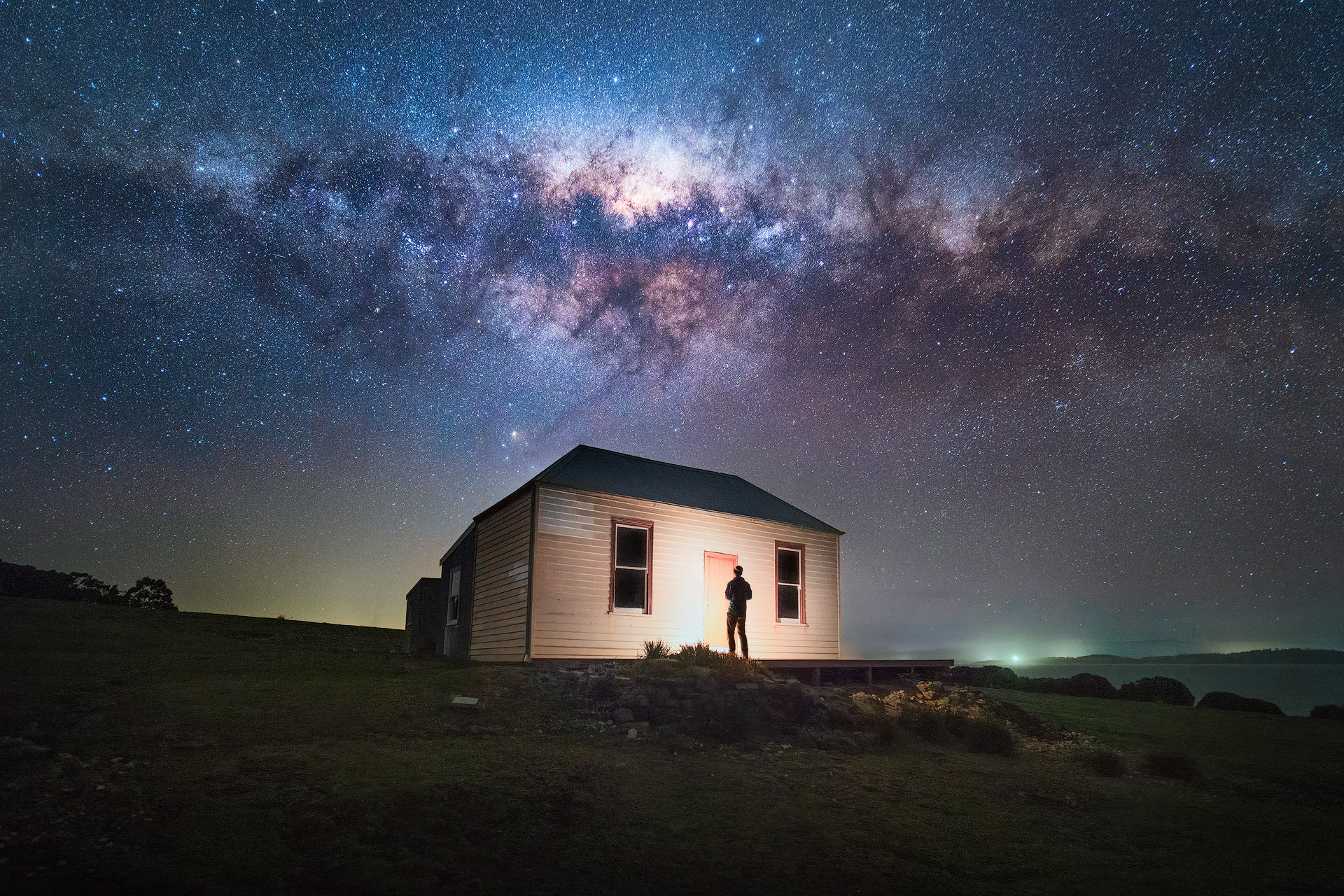
An astrophotography and landscape workshop on Maria Island over the October new moon, photographing the Milky Way as it sets over the convict ruins of Darlington.
It runs from Saturday 10 to Monday 12 October 2026. The moon is down for the whole dark window on both nights, and the Milky Way core sets in the west over the water. Maria has been on my list for a long time.
What We'll Cover
Saturday night. In the late afternoon we walk the convict precinct and work out foreground compositions with the camera before sunset. True dark arrives just after 9pm AEDT, with the Milky Way core high in the west and sinking towards the ruins over the next two hours. We work on balancing the foreground and sky: shutter speeds from the NPF rule, manual focus on the stars, and foreground exposure stacking where it helps.
Sunday night. If there's aurora activity, we'll watch the southern sky for it. Otherwise there's light painting through the ruins, star trails over the precinct, deep sky targets, and bioluminescence in the shallows if it's around.
During the day. We photograph the Painted Cliffs at low tide, wombats grazing in the late light, Cape Barren geese around the settlement, pademelons at dusk and spring wildflowers across the isthmus. We rest through the middle of the day so we're fresh for the night sessions.
Why Maria
Darlington looks west across Mercury Passage, so the horizon the Milky Way sets into is low and open. The dark window runs close to eight hours each night, with no moon. And the foreground is an intact convict settlement you can walk through, photograph and sleep inside.
Maria is a national park, and that's the best thing about it. There's no town, no shops, no cafes and no bins, so everything you bring on, you take off again. There are almost no vehicles either; the ranger's ute is about it. We catch the ferry from Triabunna to Darlington and get around on foot for the whole stay. Staying in the Penitentiary puts you right in the middle of it, with wombats on the lawns at dawn and the Milky Way over the ruins at night. It's rare to sleep somewhere this quiet and undeveloped, and the basic facilities are the trade-off. It's worth it.
Maria feels remote once you're there, but it's easy to reach. It's around an hour and a half from Hobart to the ferry at Triabunna, then a short crossing to the island.
Itinerary
- Saturday 7am: pickup in Hobart, with a supermarket stop on the way. If you're driving yourself, meet us at the Maria Island Gateway in Triabunna by 9:15am for the 10am ferry to Darlington.
- Saturday afternoon: settle into the Penitentiary, walk the convict precinct and scout shooting positions. The Painted Cliffs at low tide.
- Saturday night: first astrophotography session, with the Milky Way setting over the ruins.
- Sunday morning (optional): dawn wildlife. The wombats are most active at first light.
- Sunday during the day: image review, processing tips, and time to rest and explore the island.
- Sunday night: second astrophotography session. We watch the southern sky if there's aurora activity, with light painting and star trails otherwise.
- Monday morning: one last sunrise, then pack up for the 10:45am ferry back to Triabunna. Lunch and a couple of photography stops on the way home, with drop-off at Hobart airport or in the city.
All times are AEDT. The schedule flexes with the weather and with how everyone's going.
Accommodation
We'll be staying in the historic Penitentiary at Darlington, a convict-era stone building. The rooms are basic bunkhouse rooms, each with a wood heater and a picnic table, and there's no power in the rooms. Bunks have mattresses, and you bring your own sleeping bag and pillow. There are separate male and female dorm rooms, with shared toilets and a shared kitchen in the Mess Hall. The group is small and split across the two dorms, so there's a lower bunk for everyone who wants one. If that matters to you, mention it when you book.
It's camping without the tent. There are no cars on the island, so we get around on foot. You'll have a bunk in a shared dorm room, so if you'd rather have a room to yourself, this probably isn't the right workshop for you.
Meals
Meals aren't included. There are no shops on the island, so you bring all your food and drink for the three days, and we stop at a supermarket on the way to the ferry on Saturday. There's a shared kitchen in the Mess Hall, and you bring your own cooking gear, plates, cups and cutlery.
Personal Capabilities and Experience Level
All skill levels are welcome. You'll get the most out of it if you're comfortable setting ISO, aperture and shutter speed yourself in manual mode. If you're not there yet, that's fine. I'll go through settings with you before each session, so just mention it when you book.
Maria has no clinic, no pharmacy and no shops. In a medical emergency, help reaches the island by helicopter or boat rather than road ambulance, so getting to hospital takes time and can depend on the weather. That's part of what makes the place special, but it means the island isn't right for everyone. If you have a medical condition, or any concerns about being somewhere this remote, please consider it before booking, and feel free to talk it through with me first. It suits people who are comfortable looking after themselves in a wild place.
October nights drop to around 6 to 8°C, so bring warm layers.
| What's Included | What's Not Included |
|
|
Pricing and Payment
Deposit: AUD $500
Balance Payment: AUD $695 due one week before the workshop, on 3 October 2026
Total Price: AUD $1,195 (GST inclusive)
The price by the booking button above is the deposit to secure your place. After booking, we'll provide additional information including balance payment details.
Minimum numbers: The workshop runs with a single booking, for one to four participants.
Cancellation: If you need to cancel your booking for any reason you will only be refunded the total amount (less booking fees) if we can find someone to take your place, or if you transfer the booking to another experience run by Luke. Full terms and conditions can be found here.
Luke Tscharke Photography is an authorised nature based tourism operator with Parks Tasmania.

Feel free to get in touch if you have any questions.
Techniques covered
- Camera settings and focusing techniques for night photography
- Composing nightscapes over the painted cliffs and convict ruins
- Capturing the Milky Way and aurora from a dark, east-facing coast
- Adapting to changing sky conditions and moon phases
- Basic post-processing for night sky images (time permitting)
What to bring
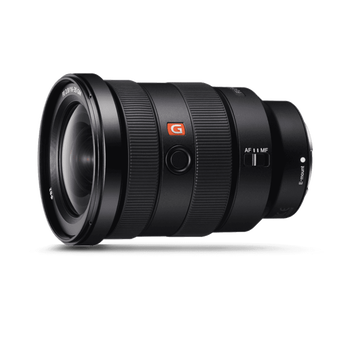
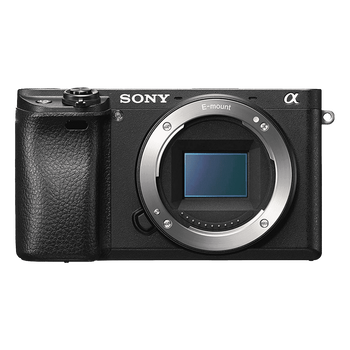
- Camera with manual mode. Modern mirrorless ideal. APS-C or full frame both fine.
- Wide angle lens, 24mm or wider for the astro work.
- Sturdy tripod. Non-negotiable for astro.
- Sleeping bag and pillow.
- All your food and drink for three days. There are no shops on the island.
- Cooking gear, plates, cups and cutlery. There's a shared kitchen, but you bring your own.
- Towel and toiletries.
- Walking shoes, warm layers. October nights drop to 6-8°C.
- White or warm headtorch, not red; it causes a colour cast that is hard to fix.
A$500 deposit payable via Sony Scene to secure a spot.
Balance Due Date: 09/10/2026
Payment for the remaining balance should be made directly to the host. They will be in contact with you shortly to provide the payment details and further instructions.

Other events you may like
See all

How to Find the Photo: Landscape Composition
